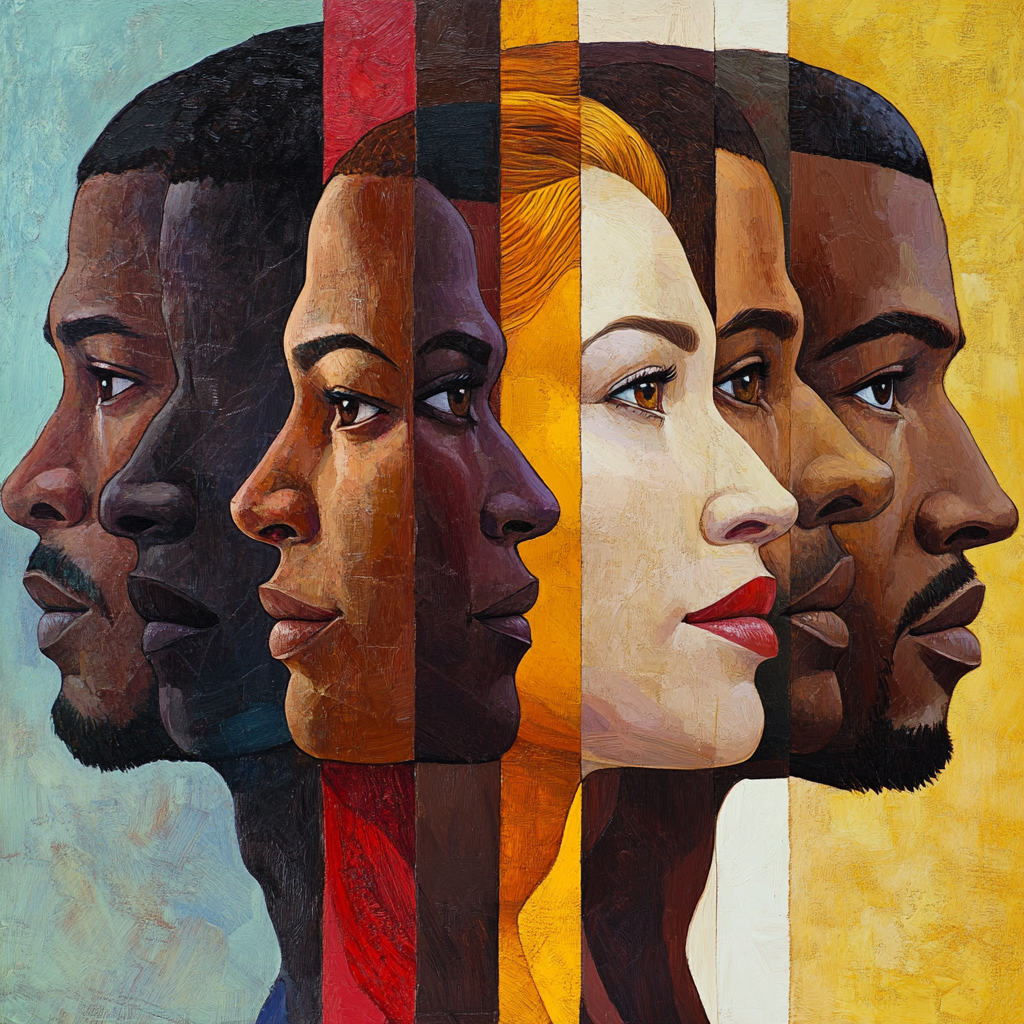
White Fragility, a time piece delivered by Robin DiAngelo in her book, White Fragility: Why It’s So Hard for White People to Talk About Racism. DiAngelo defines it as the shielding reactions of some White People while faced with the realities of racism and their complicity in it.
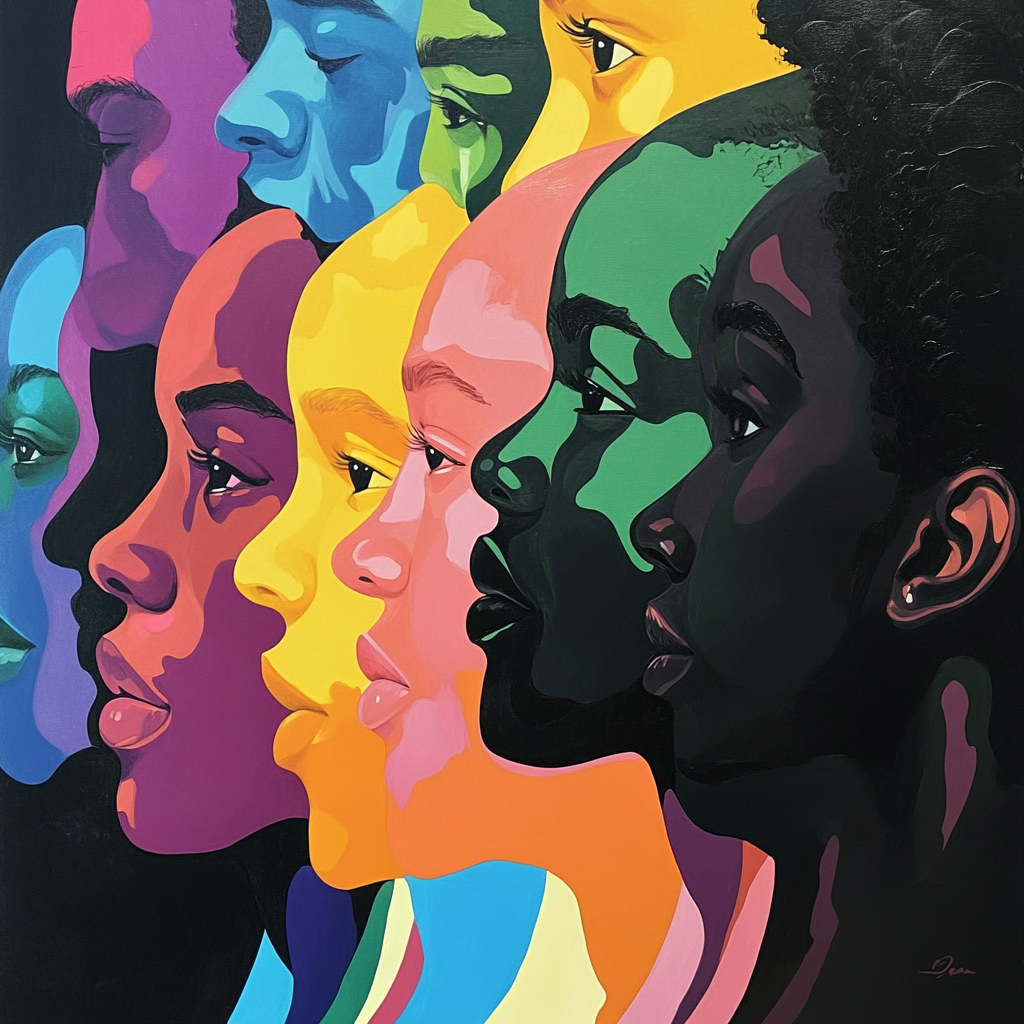
the difference between equality and equity. Equality, the idea of treating everyone the same, sounds like it would solve everything, right? But as we’ll see, real fairness often requires more than just equal treatment.
Everyday phrases that white folks often say without realizing the deeper impact they carry. Addressing these phrases and understanding the reasons behind them is a good step toward being more aware and working toward being anti-racist.
This power showed up in several ways: economically, politically, socially, and even spiritually. Let’s take a closer look at how each of these aspects impacted colonies and continues to leave a mark on the world today.
Equality would mean giving both women the same tools and resources as men. But for people who face intersectional oppression, equality alone isn’t enough. It doesn’t account for the unique, historical barriers that people of color (POCs) have faced, barriers that have limited their access to the same social, economic, and political opportunities.
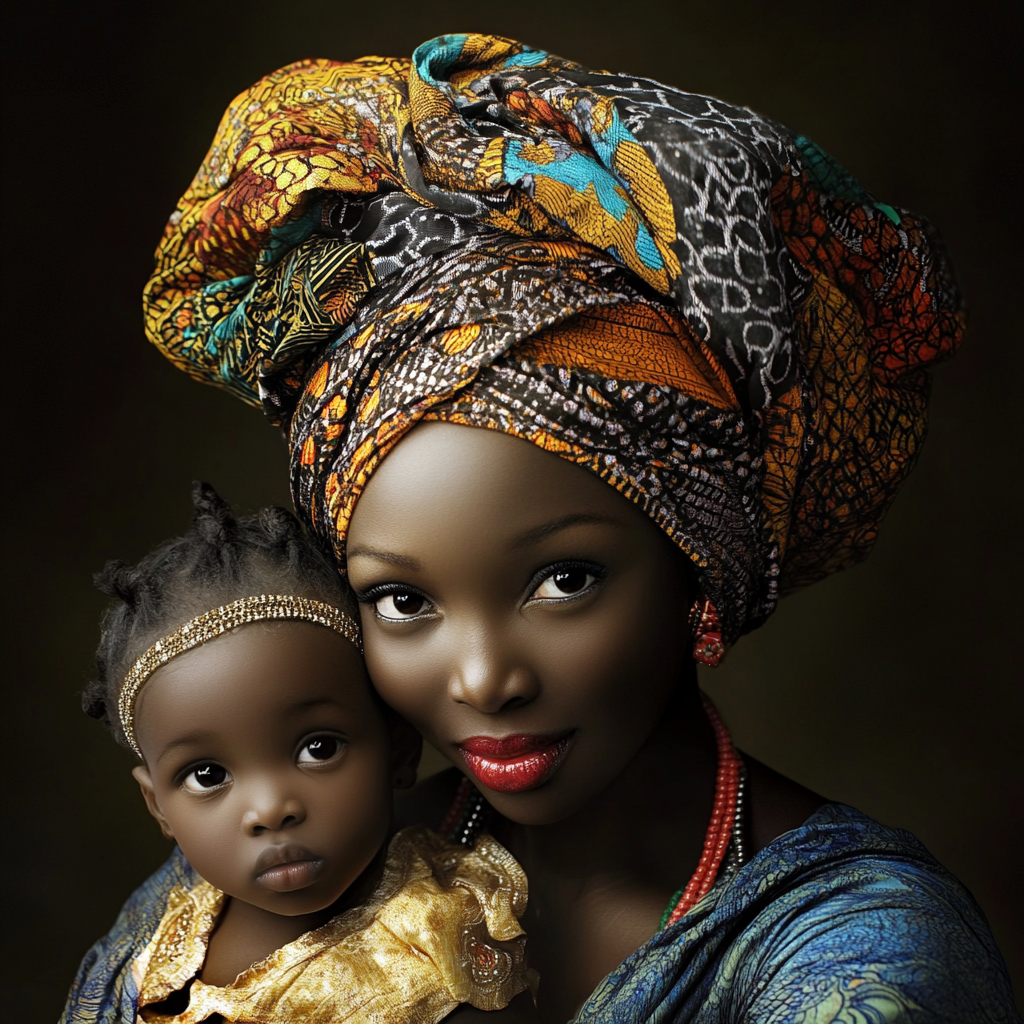
It’s a familiar scene in fundraising ads: a white-led organization asking for donations, or a white influencer posing with children in a global south country, highlighting their “charity” work. What we’re seeing is the instrumentalization of children of color to evoke sympathy, often under the guise of “helping.” But this kind of exploitation is incredibly harmful to both the children involved and the communities being represented.
Although France is no longer a colonial power in the traditional sense, it still has territories overseas, like Martinique and French Polynesia. Revisiting these histories through films, especially fictionalized retellings, allows us to gain empathy for people who lived through these times.
If you’ve ever questioned whether real justice can be achieved through existing institutions, there’s a movie that tackles these exact questions in a unique way: Bamako (2006), directed by Abderrahmane Sissako. Bamako is set in the capital of Mali and features a fictional trial, set up in a backyard, where ordinary citizens and lawyers bring international financial giants like the World Bank and IMF to court.
Twitter and Teargas, was written in 2017 by Zeynep Tufecki, an academic with Turkish roots and a background in programming. Tufecki’s work dives deep into the impact of digital technologies on politics, and in Twitter and Teargas, she examines how social media shapes collective movements by looking at major examples like the Arab Spring
The life of Miriam Makeba, famously known as Mama Africa. Makeba didn’t just make music—she made a movement. Her unique blend of traditional African music with jazz and pop was like nothing anyone had heard before, and it captivated audiences worldwide.