
„Wow!“ exclaims one person.
„Huh, what's wrong?“ replies her friend.
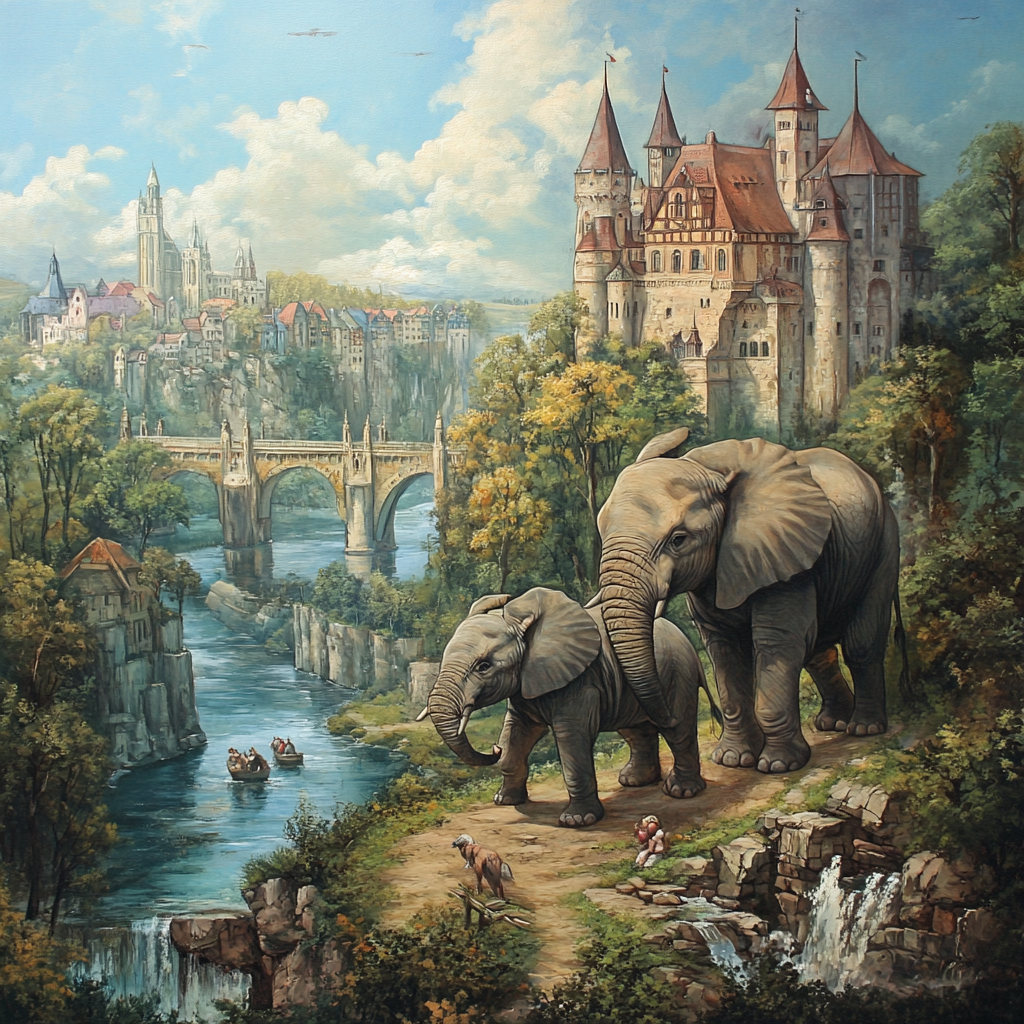
„Have you heard that Botswana is threatening to send 20,000 elephants to Germany?“
„What? No, tell me everything now!“
In April 2024, this was a big debate in Germany. This conversation may seem amusing, but behind it lies a deeply complex and serious issue that goes far beyond elephants. The Botswana wildlife minister's media-friendly proposal to send thousands of elephants to Germany highlights a deeper problem: the lingering effects of colonial attitudes and the paternalistic behavior that Western countries often exhibit towards African nations.
So what exactly is happening? Let's take a closer look at this fascinating and controversial story.
Germany announced plans to Import of hunting trophies a measure that specifically affects the activities of German safari hunters. On the surface, this may seem like a noble conservation approach, but it sparked a fierce backlash from Botswana's Wildlife Minister. The reason: such a ban would be economically damaging to local communities in Botswana, many of whom rely on the income from controlled and legalized hunting safaris.
Botswana has one of the largest elephant populations in the world, and years of successful conservation efforts have led to overpopulation. Although hunting animals can be controversial, it plays a crucial role in regulating the elephant population.
Overpopulation has devastating consequences: Herds of elephants destroy fields, damage houses, take water from pipes and, tragically, cause human casualties. For many in Botswana, controlled hunting is not only a source of income, but also a practical solution to mitigate these problems.
Botswana's elephant conservation is often regarded as one of the great African wildlife conservation success stories and rightly so. In recent decades, anti-poaching measures, the expansion of protected areas and community-based wildlife programs have helped to make the country home to one of the largest elephant populations on earth, with estimates often exceeding 130,000 individuals.
This dramatic increase resulted from long-term investment in conservation infrastructure and strong national policies that restricted illegal killing and strengthened park management.
However, success in nature conservation also brought with it complexity. With few natural predators and sufficiently protected habitats, elephant populations grew to such an extent that they strained the ecological balance and coexistence with humans.
Botswana's elephant story demonstrates the nexus of ecological goals, socio-economic needs and national identity: elephants are both globally admired and a pressing local challenge. The evolution from conservation measures to regulated hunting illustrates that conservation requires adaptive strategies that take into account both ecological and human factors.
The ecological consequences of an uncontrolled elephant population in Botswana go far beyond the headlines. Elephants are keystone species whose feeding and migratory behavior shapes habitats, changes vegetation structures and influences the distribution of other species. In healthy numbers, they contribute to the conservation of savannah landscapes, promote nutrient cycling and create microhabitats for many animal species.
However, with strong growth, these effects can be exceeded: Overpopulation can graze trees and shrubs, fragment forest areas, alter fire regimes, degrade soils through repeated trampling, and affect water flows by replanting vegetation along rivers.
In human-dominated areas, these impacts lead to regular damage to fields, fences, irrigation systems and infrastructure, which increases direct conflicts with communities. Some families have had to abandon their fields, increasing food insecurity and socio-economic vulnerability.
Elephants are ecological icons, but for many Botswanans in human-wildlife interface regions, they are also economic disruptors. Rural communities living close to wildlife habitats bear the brunt of conflict: Destruction of crops, damage to fences and water infrastructure, sometimes even deadly attacks on people or livestock. This leads directly to economic hardship for families who rely on small-scale farming.
In parts of the Okavango Delta and the Chobe region, farmers report that elephants can destroy entire crops in one night, leaving households without food and income.
Although wildlife tourism generates significant income, this profit is unevenly distributed: communities in conflict zones often receive only a fraction of the economic benefits, but bear the costs.
This imbalance leads to frustration and differing perspectives on conservation policy, with some local voices advocating more aggressive management methods, including hunting or translocation.
You might ask: „But isn't hunting harmful? Shouldn't it be banned?“ However, the situation in Botswana is more complex. Overpopulation is not only an environmental problem, but also a socio-economic and security crisis. When elephants destroy villages, trample fields and endanger people, the human cost becomes obvious.
Hunting revenues fund community development and incentivize local conservation efforts, making hunting an indispensable part of the country's strategy.

President Mokgweetsi Masisi emphasized: „It is very easy to sit in Berlin and have an opinion about our affairs in Botswana. We are paying the price to preserve these animals for the world.“ He added: „We want our elephants to roam free. The German weather is already bad enough for them.“ Masisi's words illustrate the frustration of being judged and patronized by Western leaders who often do not understand the reality on the ground.
The debate about elephant conservation in Botswana touches on global issues of wildlife policy and ethics. At its core is the conflict between conservation goals and international moral frameworks. Western conservation advocates often emphasize non-lethal protection and reject hunting as unethical.
Botswana, on the other hand, argues that regulated hunting under scientifically controlled quotas both generates revenue and controls the population. International frameworks such as the Convention on International Trade in Endangered Species of Wild Fauna and Flora (CITES) attempt to balance sustainable use and species conservation, but come up against divergent local realities.
The conflict between Botswana and Germany cannot be understood without the historical context. From 1884 to 1919, Germany was the third largest colonial power and controlled large parts of East Africa, including present-day Tanzania, Burundi and Rwanda. During this time, German authorities committed numerous atrocities and left systemic problems in their wake, that still have an effect today.
Despite this history, Germany shows limited commitment to recognizing the consequences of its colonial rule. African leaders like Masisi often encounter condescending attitudes when they emphasize their sovereignty. This paternalistic thinking is deeply rooted in colonial racial theories and the notion that European powers know best what is good for African nations
Botswana's reaction to the proposed German hunting trophy bans opens up a space for decolonial thinking and criticism of Western paternalism. Decolonial theory questions globally anchored power structures that view Western perspectives as universal and marginalize local knowledge systems. Critics emphasize that genuine decolonial participation must include African voices in decision-making processes.
This debate is about more than elephants or hunting bans. It is about respect: for African leaders, for the realities of local communities, and for the difficult choices that countries like Botswana must make to balance conservation and human well-being. Masisi's clear response has sparked important conversations about Western interaction with Africa and highlights the need for equal partnerships.
Innovative strategies are needed to resolve conflicts between humans and elephants. Approaches such as bee fences, chili barriers, improved water infrastructure or targeted birth control can reduce damage. Use of technology such as drones or real-time monitoring helps to redirect elephants. Community-led tourism offers economic benefits and promotes wildlife conservation. Ultimately, a sustainable solution requires a mix of science, community involvement and economic incentives.
Botswana's elephant story is a microcosm of global dynamics. It calls for inclusive, decolonial approaches to international relations and conservation. Sending 20,000 elephants to Germany may seem absurd, but the message is clear: African leadership deserves to be heard, respected and trusted to make independent decisions.
https://www.abc.net.au/news/2025-04-01/botswana-elephant-conservation-trophy-hunting/105077698
https://www.dw.com/en/why-some-african-countries-support-trophy-hunting/a-69441221
https://warhistory.org/@msw/article/germanys-african-colonies
https://www.idausa.org/campaign/elephants/latest-news/botswana-20000-elephants-trophy-hunting