
About this tour
- Takes place on
- Duration
- Meeting point
- Endpoint
- Accessibility
Your experience
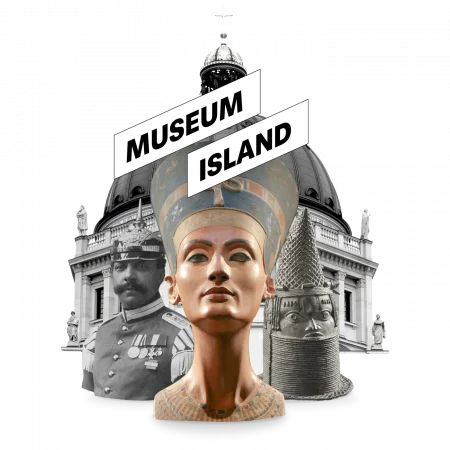
✓ Nefertiti: Why is Egypt's most famous bust in Berlin today?
✓The Pergamon Altar: How did one of the most significant monuments of antiquity end up in Germany?
✓Benin Bronzes: Why Are Countries of Origin Demanding the Return of Their Cultural Artifacts?
✓Berlin Cathedral: What role did the Hohenzollerns play in the German Empire and in colonialism?
✓ W. E. B. Du Bois: How did his time in Berlin influence his later civil rights work?
✓ More than 22,000 people have already discovered Berlin from a new perspective with deSta.
✓ Tickets cost €29 per person
Museum Island in Berlin is considered one of Europe’s most important cultural centers. But what stories lie behind the collections and institutions? This decolonial city tour invites you to view Museum Island from a critical perspective and to shed light on the colonial, monarchical, and global interconnections that continue to have an impact to this day.
The focus is on the cultural treasures of the Humboldt Forum, the Neues Museum, and the Pergamon Museum, such as the statue of Nefertiti, the Benin Bronzes, and the Pergamon Altar. Few people know how these significant works of art came to be in Berlin, what colonial power dynamics shaped their history, and why their restitution is still being debated today.
On our tour, we’ll also encounter the legacy of the Hohenzollerns. As we pass the Hohenzollern Crypt, we’ll take a look at the role of the Prussian monarchy and its ties to colonial projects and imperial claims to power.
In front of the German Historical Museum, we’ll take a closer look at a famous painting by Gustav Sabac el Cher. It offers insights into the lives of Black people in the 18th century.
Another highlight of the tour is the time that African American intellectual and civil rights activist W. E. B. Du Bois spent at what was then known as Friedrich-Wilhelms-Universität. His time in Berlin and his engagement with issues of racism, colonialism, and global inequality open up perspectives that extend into the present day.
The tour combines art, history, and the politics of memory, inviting visitors to rediscover Museum Island as a place of diverse and intertwined stories.Select an available date and time.
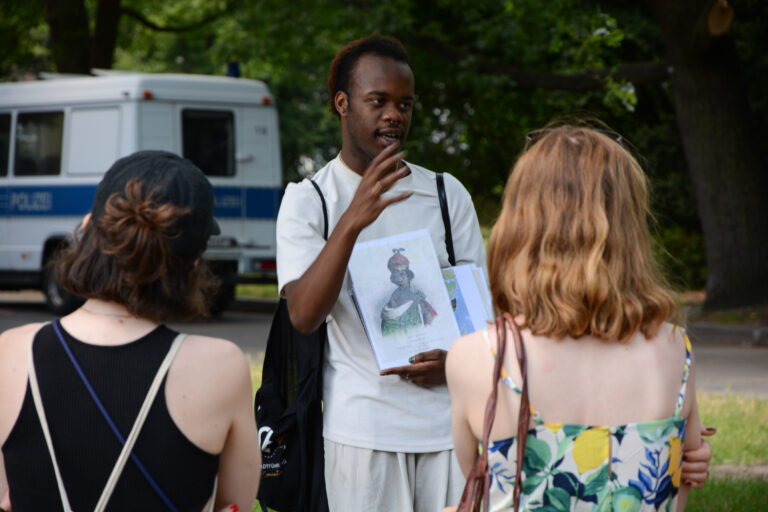
We offer private tours, workshops and lectures
Get out of the office or classroom! Take your friends and family on an exciting weekend trip! Come and experience a tour that will give you plenty to discuss and stimulate you.
Impressions
Our tour guides
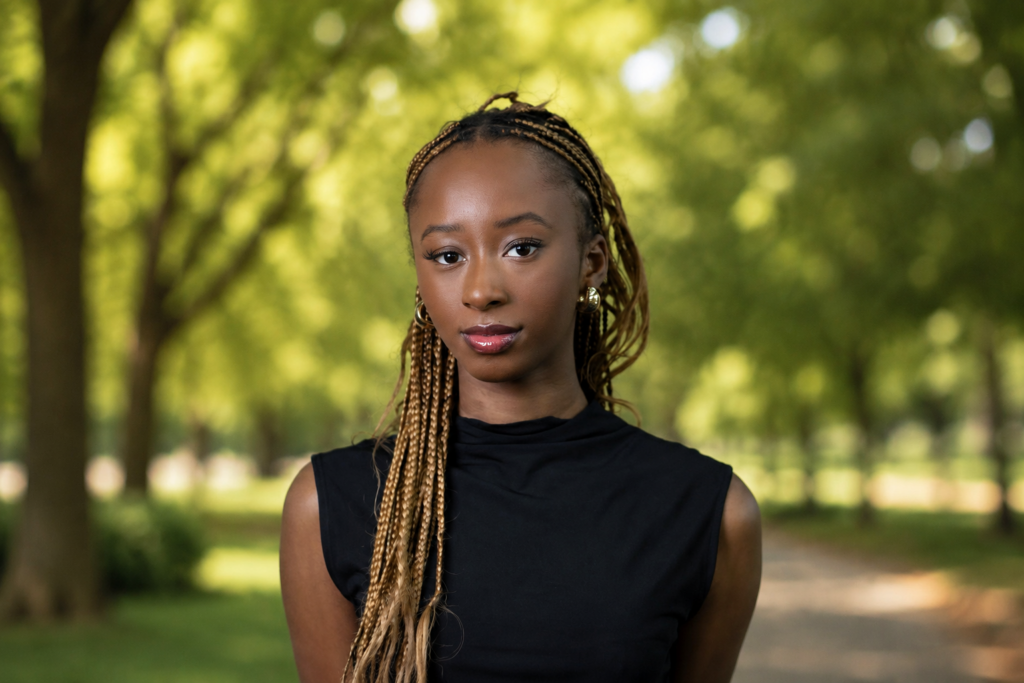
Britney

Marissa
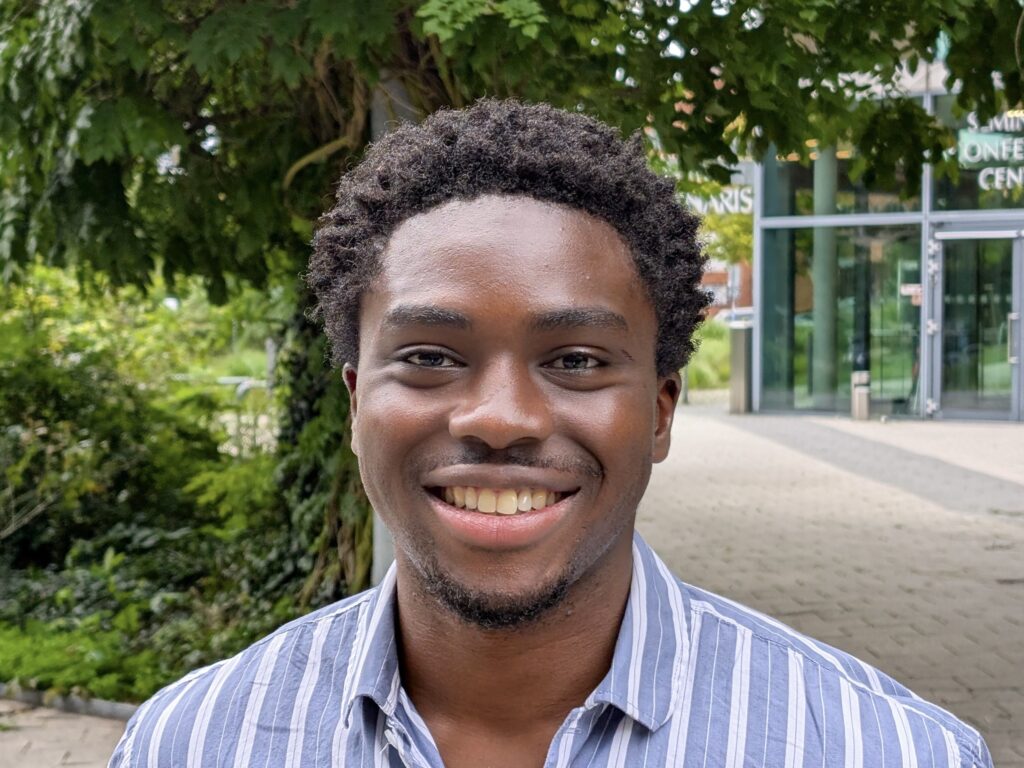
Abdoul
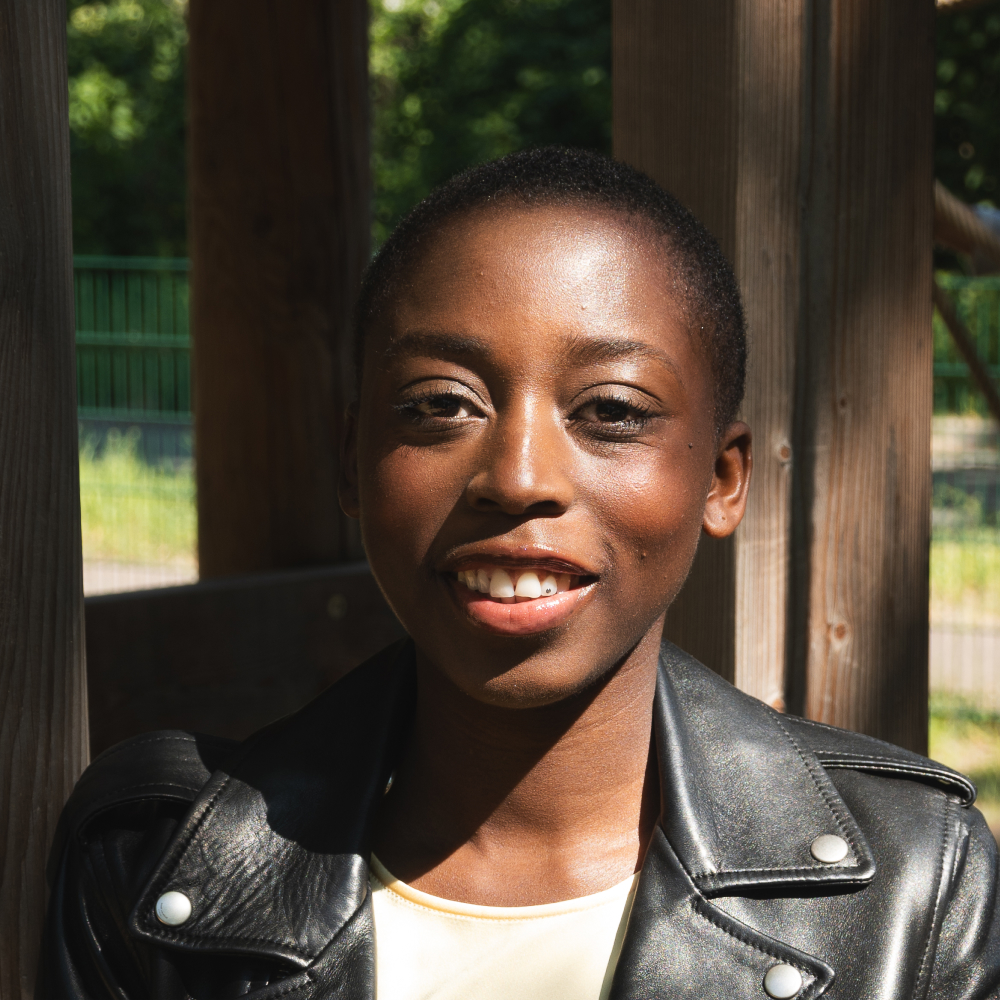
Justice
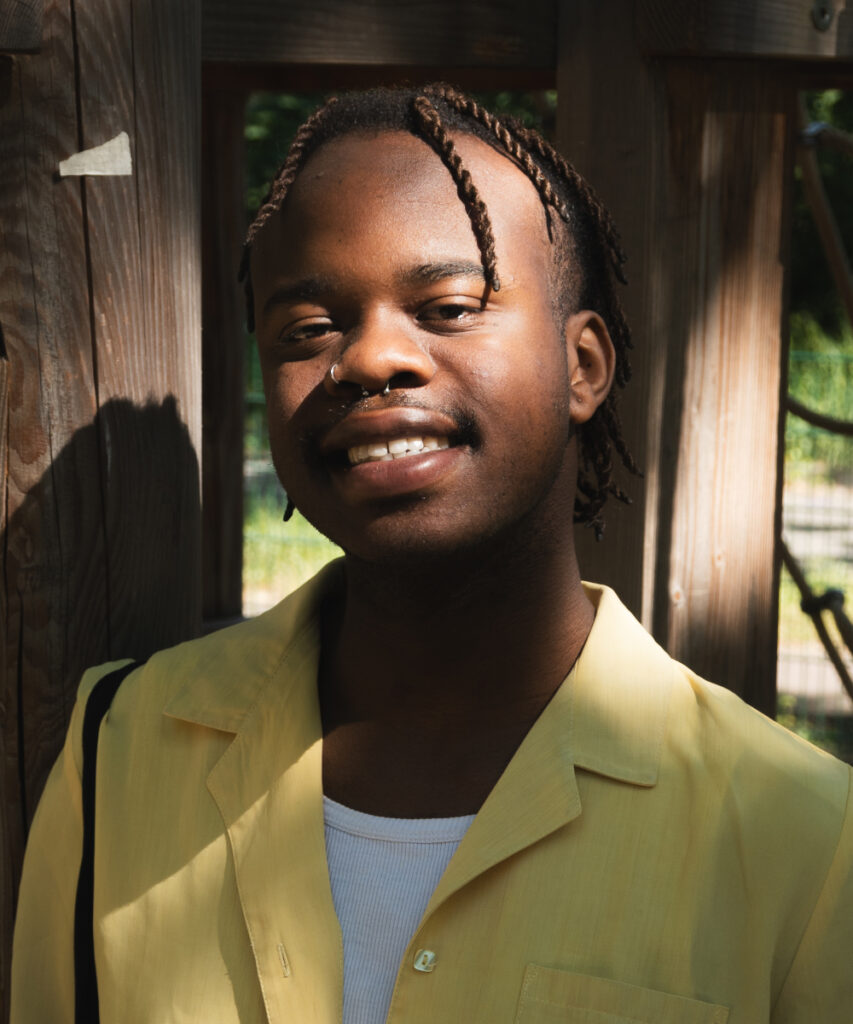
Thil
Frequently asked questions
Information about the tour
General topics
You can postpone the date. Just write us an e-mail in advance with your order number and the desired alternative date.
Cancellations are not possible.
Comfortable shoes, possibly a hot drink in a thermos flask or refreshing drink. Umbrella or sun protection depending on the weather.
We recommend participation from the age of 14.
To the other tours

From: 29,00 €
See Hamburg through a different lens: Behind the brick facades of the Speicherstadt lies a history that’s often left out of traditional city tours. How did Hamburg become one of Europe’s wealthiest trading cities, and what role did colonial goods, global trade networks, and power dynamics play in this? Instead of dry facts, you’ll encounter compelling stories, forgotten perspectives, and exciting “aha” moments.
From: 29,00 €