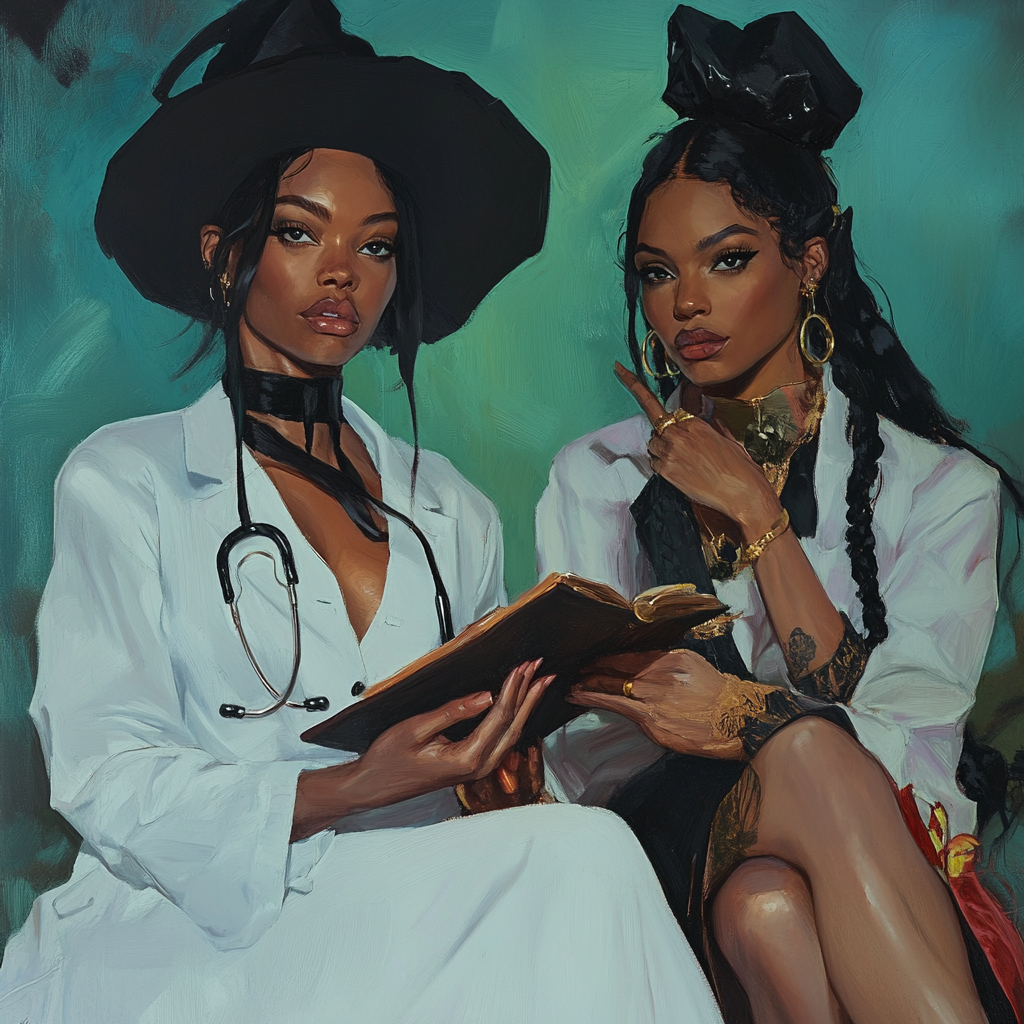
Witches were often female traditional doctors? The infamous witch hunts, which began in the late 1480s, were rooted in the systematic persecution of women practicing medicine and healing arts. This historical tragedy reflects not only the misogyny and power structures of the time but also the suppression of female medical professionals in favor of an emerging male-dominated field.
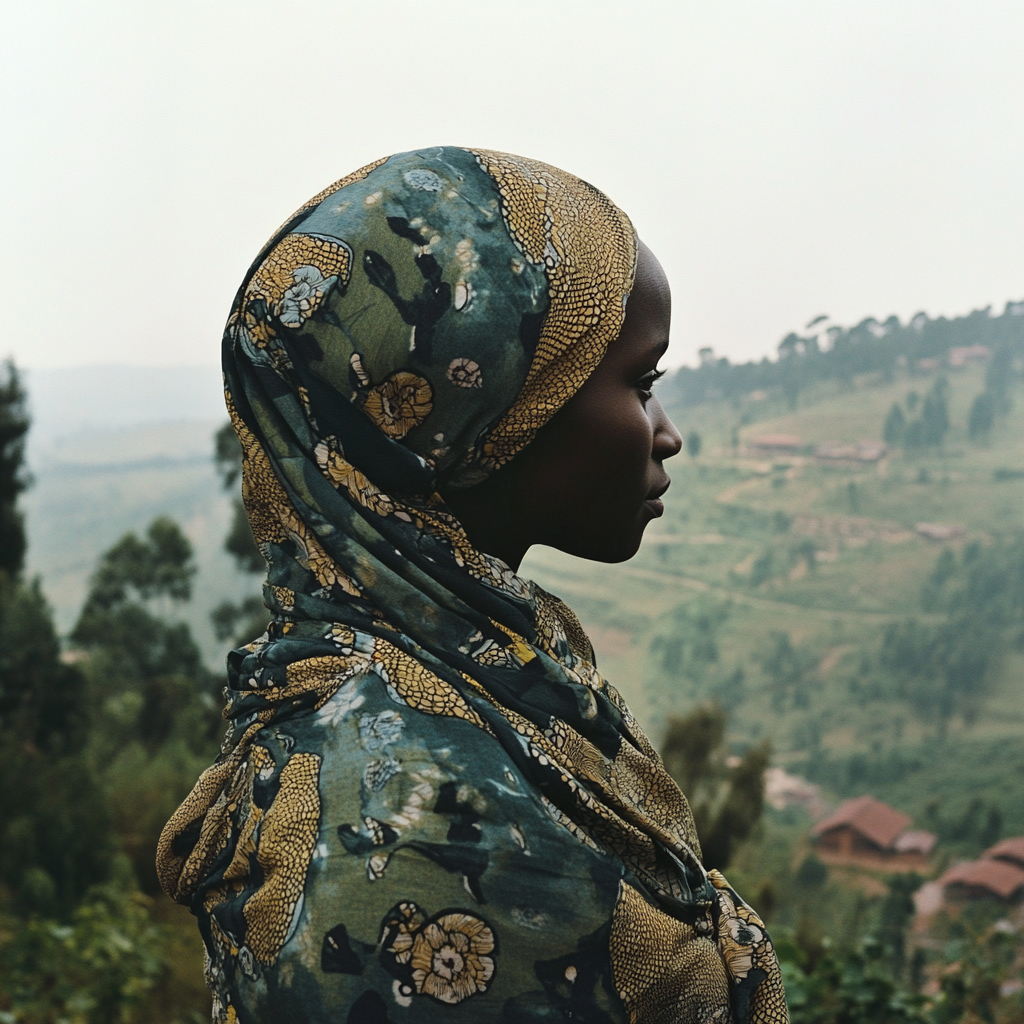
On April 7, 1994, the world witnessed the onset of one of the fastest genocides in human history. Over the course of 100 days, an estimated 800,000 lives were lost, with 70% to 80% of Rwanda's Tutsi population tragically exterminated.
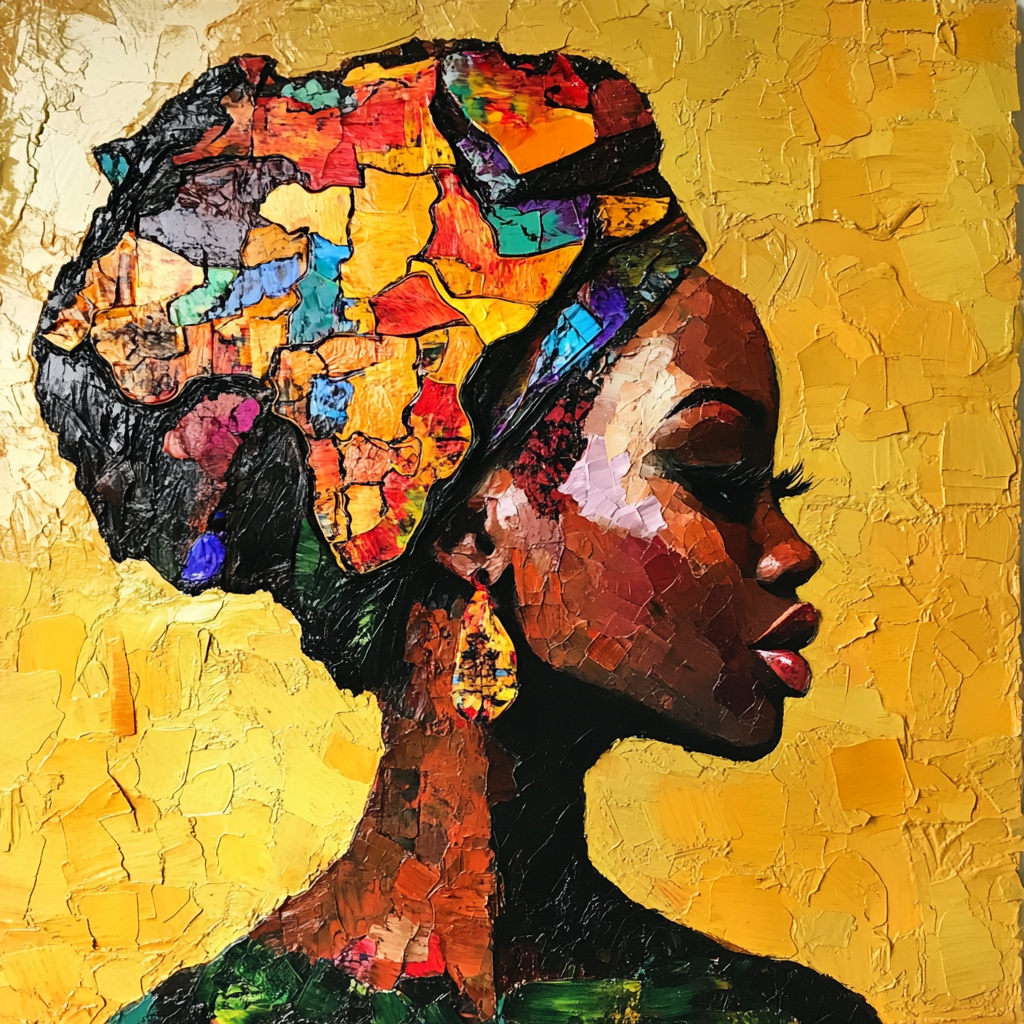
Africa Day, celebrated annually on May 25th, marks the founding of the Organization of African Unity (OAU) in 1963, now known as the African Union (AU). It serves as a reminder of Africa's journey towards unity, freedom, and self-determination.
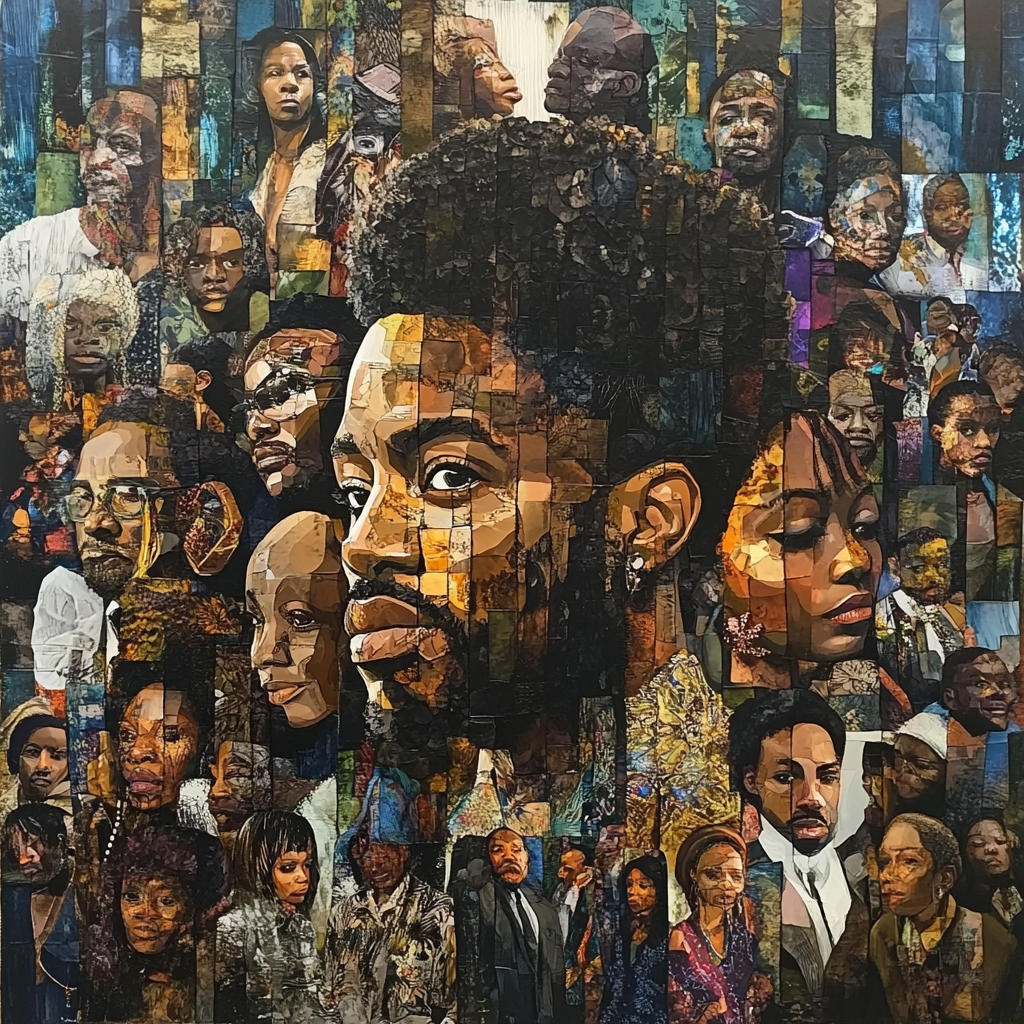
Juneteenth, celebrated in the United States, marks the abolition of slavery and the emancipation of enslaved Africans in America. This historic day commemorates the end of slavery, specifically in Texas, the last state to implement the emancipation ruling after the Confederate States of America deemed slavery illegal in 1863
Neocolonialism, Decolonialism, and Postcolonialism are all theoretical frameworks related to the history and legacy of colonialism. They all have different phenomena in regards to colonialism and all important aspects in understanding power structures.

In the GDR, homosexuality was decriminalized in 1968, earlier than in many of the Federal States of Germany. However, this legal change did not lead to widespread social acceptance. The socialist government promoted a conservative, heteronormative family model, and homosexuality remained a taboo subject.
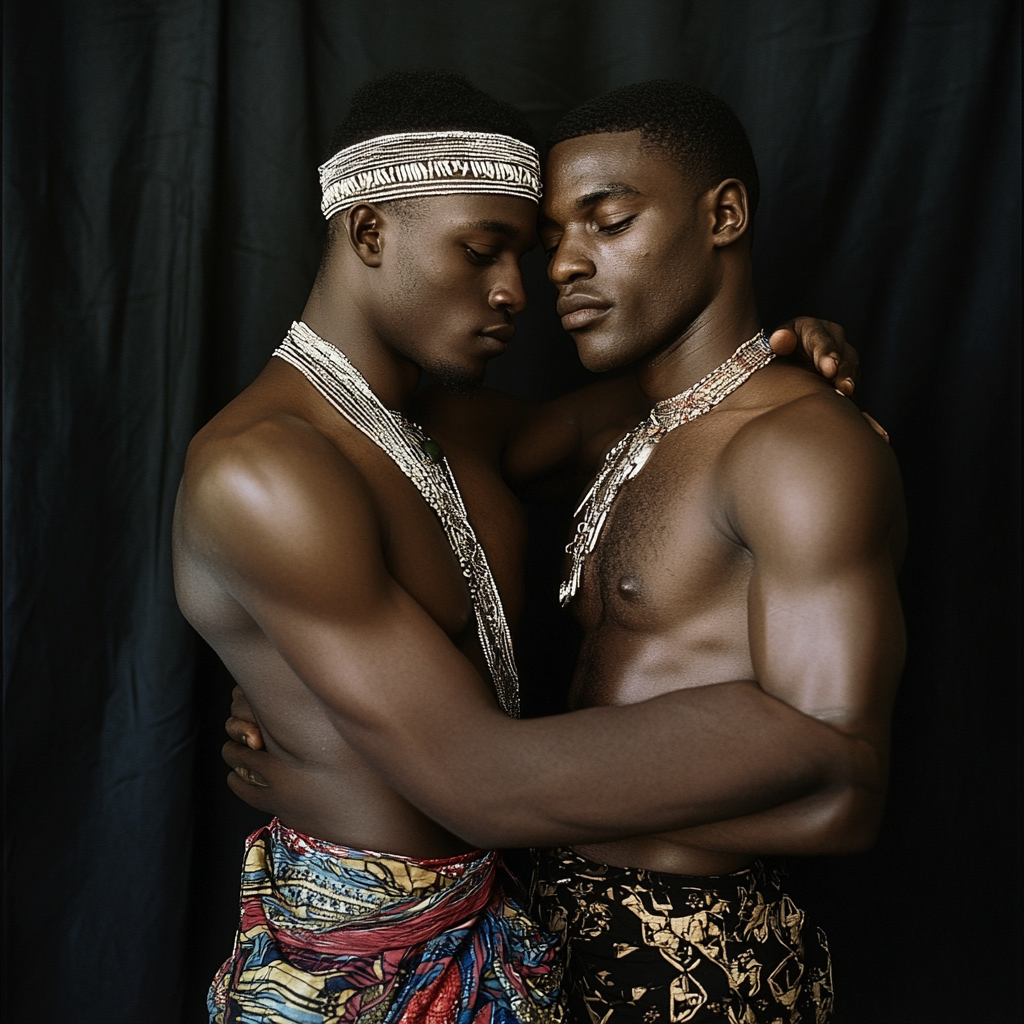
Homosexuality on the African continent has become a taboo topic in many modern contexts, with several African leaders, such as Uganda's Yoweri Museveni, claiming that LGBTQIA+ identities are a Western import and go against "African culture.
Black joy was not just a fleeting moment of happiness but a radical act of survival. It flourished in the harshest circumstances, a testament to the indomitable spirit of Black communities. Through music, dance, storytelling, and communal gatherings, Black individuals found ways to connect, heal, and resist.
In German schools and kindergartens, children play a game called "Wer hat Angst vorm Schwarzen Mann?" (Who's Afraid of the Black Man?). (Who's Afraid of the Black Man?). The phrase is ambiguous but loaded with meaning:
Tipis were used by some indigenous groups as part of their way of living, but it's crucial to understand that Indigenous cultures are incredibly rich and diverse. They have histories that span thousands of years, with many unique ways of living-and the tipi is just one small piece of that story.