
Celebrated every June, Pride Month is more than just a commemoration; it is a powerful testament to the struggles, achievements and resilience of the LGBTQ+ community worldwide. When we understand the origins of Pride Month, we discover a history that inspires us to resist oppression, promote solidarity and continue the fight for equality.
Prior to the events of June 1969 that sparked the modern LGBTQ+ rights movement, life for queer people in the United States was characterized by criminalization, surveillance and widespread social stigma. During the mid-20th century, homosexuality was illegal in many states, and LGBTQ+ people could be arrested simply for expressing their identity publicly. Police forces often targeted bars and social spaces that were known as meeting places for queer communities.
These raids often led to arrests, public humiliation and the outing of people whose names were published in newspapers, often resulting in job loss and family rejection. For many LGBTQ+ people, especially those who were black, trans or gender non-conforming, everyday life meant navigating a hostile society that denied them basic rights and safety. Despite these dangers, queer communities created networks of support and cohesion.
Bars, clubs and informal meeting places became important places where people could meet and find solidarity. Nevertheless, even these spaces were rarely free from harassment. Police raids were frequent, and officers often demanded identification, arrested people for wearing clothes that did not correspond to their sex assigned at birth, or shut down entire establishments. These conditions created a climate of fear, but at the same time laid the foundations for resistance.
Towards the end of the 1960s, growing civil rights movements and protests against the Vietnam War inspired many marginalized groups to openly challenge systems of oppression. LGBTQ+ communities began to organize more visibly and challenge laws that criminalized their identities. This broader climate of activism set the stage for the uprising that would soon spark a global movement for queer liberation.
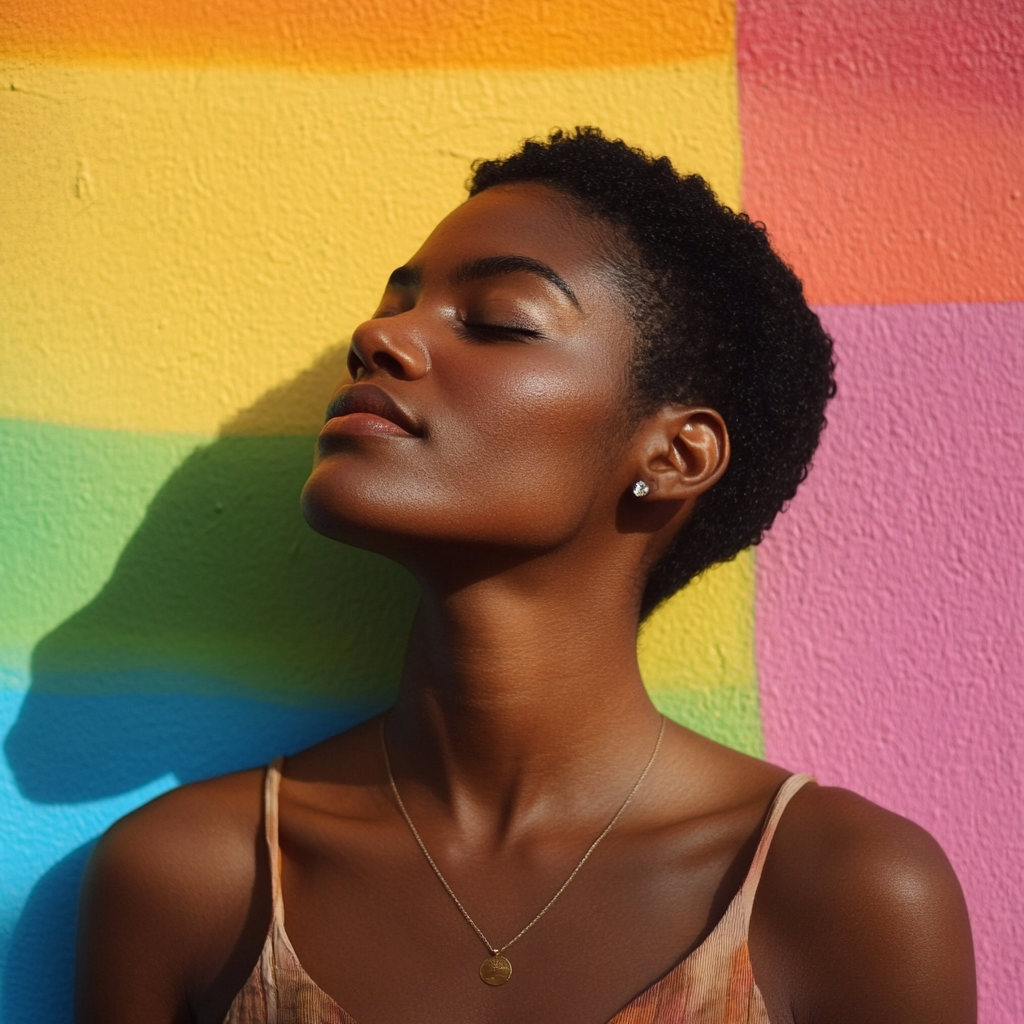
The origins of Pride Month can be traced back to the Stonewall riot in June 1969 in New York City. At the time, LGBTQ+ people were facing widespread discrimination, harassment and violence, not only from society but also from law enforcement. The Stonewall Inn, a popular gay bar in the Greenwich Village neighborhood, became a haven for the community.
On the night of June 28, 1969, the guests of the Stonewall Inn, many of whom were trans women of color, reached a turning point. Tired of constant police raids and abuse, they fought back against the officers, sparking several days of protests and clashes with the police.
Although the Stonewall Uprising is widely regarded as a turning point in the history of the LGBTQ+ movement, it is important to recognize the crucial role that black and trans activists have played in the movement.The protests that followed the police raid on the Stonewall Inn played an important role. Many of the people present that night lived on the margins of society, including trans women, drag performershomeless young people and queer people of color.
Among them were black and Latin American trans activistsThe activists who stood up to police violence and helped turn a routine raid into a moment of collective resistance. These activistsThe movement was not only against homophobia, but also against racism, poverty and gender discrimination. Personalities such as Marsha P. Johnson and Sylvia Rivera became central figures in the movement that emerged after Stonewall.
They were particularly committed to those people who were often excluded even within LGBTQ+ spaces, especially trans people and homeless queer youth. In 1970, they co-founded the organization Street Transvestite Action Revolutionaries (STAR), which provided housing and support for young trans people who had been rejected by their families.
Their activism emphasized the importance of community, care and mutual support long before these concepts received widespread attention in social movements. Black and trans activists also made it clear that the fight for LGBTQ+ rights must also take into account the broader systems of oppression that affect marginalized communities.
Their courage during and after the uprising reminds us that the progress of the LGBTQ+ movement relies on the leadership and resilience of those who have too often been marginalized.
The Stonewall uprising became a catalyst for the LGBTQ+ rights movement and highlighted the courage and resilience of people like Marsha P. Johnson, a Black trans woman who played a crucial role in the protests. Her struggle paved the way for ongoing advocacy for LGBTQ+ liberation and amplified the voices of Black queer people who have long faced intersecting forms of oppression.
The fight for LGBTQ+ rights did not begin with the Stonewall Uprising, nor did it end there. Long before and after, black queer intellectuals, artists and activists played a crucial role in shaping debates about race, sexuality and justice. Authors like Audre Lorde and James Baldwin used literature and public speaking to criticize systems of oppression and powerfully express the experiences of Black queer people.
Audre Lorde, a self-described black lesbian feminist poet, wrote extensively about the intersections of race, gender, sexuality and class. In her essays and poems, she emphasized the importance of acknowledging differences while building solidarity between communities. Lorde argued that silence about identity and oppression could never lead to liberation and encouraged marginalized people to speak openly about their experiences.
Similarly, James Baldwin addressed issues of race and sexuality in his novels and essays, examining how societal prejudices affected both Black American women and queer people. Baldwin's work highlighted the emotional and psychological effects of discrimination while celebrating resilience and self-acceptance. Another influential figure was Bayard Rustin, a civil rights strategist who played a key role in organizing the March on Washington in 1963.
Although Rustin was openly gay, he often faced discrimination within the civil rights movement. Nevertheless, his commitment to nonviolent activism and social justice left a lasting legacy. These leaders broadened the horizons of both the civil rights and LGBTQ+ movements and showed that the fight for equality must address multiple forms of injustice simultaneously.
The HIV/AIDS crisis of the 1980s and 1990s hit LGBTQ+ communities worldwide hard, causing enormous losses and inspiring new forms of activism and solidarity.
When the first AIDS cases were identified in the early 1980s, they were highly stigmatized and often referred to as the „gay plague“ in the media. This narrative reinforced discrimination against queer communities and delayed effective government responses to the growing health crisis. For years, many people living with HIV/AIDS struggled to access medical care, reliable information and social support.
Black queer communities were particularly vulnerable, as structural inequalities in the healthcare system, housing market and economy increased the risk of infection and limited access to treatment. Activists and grassroots organizations emerged to denounce government inaction and demand urgent action. Groups like ACT UP organized protests, educational initiatives and direct action to fight for medical research, affordable treatment and compassionate health policies.
At the same time, community networks Support and care for people with AIDS, when families and institutions often rejected them. The crisis forced many LGBTQ+ activists to also address issues of racism, class inequality and discrimination in the healthcare system within the movement.
Despite the devastating effects, the epidemic also strengthened community cohesion and demonstrated the power of collective action. The activism of this time changed public health policy for good and drew global attention to the prevention and treatment of HIV/AIDS.
Pride Month fulfills several functions. It is a time for LGBTQ+ people to celebrate their identities, express themselves authentically and affirm their place in a world that has long marginalized them. At the same time, it is an opportunity for allies to show solidarity, support and commitment to LGBTQ+ rights.
However, it is important to remember that while Pride Month is often associated with colorful parades and celebrations, its roots lie in protest and the fight for equality. For many people, especially BiPOC (Black, Indigenous and People of Color), the fight for liberation and recognition is far from over.
Pride events today are often associated with colorful parades, music festivals and big corporate sponsorships, but their origins are firmly rooted in protest and political resistance. The first Pride marches, organized in 1970 on the anniversary of the Stonewall Uprising, were called Christopher Street Liberation Day Marches. Participants gathered to demand equal rights, challenge discriminatory laws and assert the visibility of LGBTQ+ communities in public spaces.
These early demonstrations were acts of great courage, as many participants risked harassment, job loss or violence simply for marching openly. Over time, Pride events spread to cities around the world, evolving into both celebrations of identity and platforms for activism. As LGBTQ+ rights became more widely recognized, Pride celebrations became larger and more mainstream. Corporations began to sponsor events and the tourism industry recognized Pride festivals as significant cultural attractions.
While this visibility has helped to normalize LGBTQ+ identities in many societies, it has also sparked debate within the community. Some activists argue that commercialization dilutes the political message of Pride and overshadows the struggles of marginalized groups, particularly trans people and queer people of color.
Others see the celebration itself as a powerful form of resistance that makes joy and resilience visible despite historical oppression. These debates reflect an ongoing discussion about the meaning of Pride and how the movement can stay connected to its activist roots.
Black queer people have been instrumental in shaping the LGBTQ+ rights movement, but their contributions are often overlooked. Individuals like Marsha P. Johnson remind us of the central role Black queer women have played in the fight for equality. Their stories show the importance of intersectionality within the movement to ensure that no one is left behind in the pursuit of justice and freedom.
While discussions of LGBTQ+ history often focus on struggle and discrimination, the concept of Black Queer Joy emphasizes the importance of celebration, creativity and cultural expression within the community. Black queer people have long used art, music, dance and performance to affirm their identities and create spaces of belonging.
One influential example is the ballroom culture that emerged in New York City in the late 20th century. Ballroom events brought together LGBTQ+ people, particularly Black and Latino participants, to compete in categories around fashion, dance and gender expression. These gatherings created so-called „houses,“ elected families in which members supported each other emotionally and socially. Ballroom culture not only provided protection from discrimination, but also influenced popular culture in dance, music and fashion.

Black queer artists, musicians and performers have made significant contributions to cultural movements around the world. In literature, visual art, theater and film, they have explored themes of identity, resistance and love. These creative expressions challenge stereotypes and offer alternative narratives that focus on joy, resilience and community.
The idea of Black Queer Joy reminds us that liberation is not only about fighting oppression, but also about creating spaces where people can live authentically and flourish.
Despite the progress made since the Stonewall Uprising, the fight for LGBTQ+ rights, especially for black queer people - is not over. Systemic oppression, homophobia and transphobia continue to impact countless lives. As we celebrate Pride Month, we must also recommit ourselves to breaking down these barriers and working for the liberation of all queer identities.
Berlin has long been considered one of the most important centers of queer culture and activism in Europe. Already in the early 20th century, the city developed a lively LGBTQ+ scene with bars, clubs and publications for a queer audience. Although the Nazi regime brutally suppressed these communities in the 1930s and 1940s, Berlin later re-emerged as an important place for LGBTQ+ activism and cultural expression.
Today, the Schöneberg district in particular is known for its historical connection to queer life and is home to numerous organizations, cultural institutions and memorials dedicated to LGBTQ+ history. For black queer people in Berlin, the city offers both opportunities for community and ongoing challenges related to racism and discrimination.
Activists, artists and community organizations are working to make the experiences of black LGBTQ+ people in Germany visible and to highlight the importance of intersectionality within the queer movement. Cultural institutions such as the Schwules Museum document diverse LGBTQ+ stories, including narratives about migration, racism and global activism movements.
Events, exhibitions and guided tours in districts such as Schöneberg help to raise public awareness of these stories.
Our Schöneberg Tours in Berlin aim to honor the lives of queer black women who have made significant contributions to the movement. These tours offer a special opportunity to learn more about their stories, struggles and achievements while celebrating their lasting legacy.
Pride Month is a time to look back on the past, celebrate progress and continue to push for change. By amplifying the voices of Black queer people and recognizing their invaluable contributions, we move one step closer to a more inclusive and equitable world. Let's honor their fight against homophobia and work together to ensure that their rights, stories and lives are protected and respected.
Come along to our Schöneberg tours and learn more about the rich history of queer black women in Berlin and their ongoing impact on the fight for LGBTQ+ liberation.
https://www.loc.gov/lgbt-pride-month/about/
https://guides.loc.gov/lgbtq-studies/stonewall-era
https://makinggayhistory.org/podcast/sylvia-rivera-part-2/
https://www.poetryfoundation.org/poets/audre-lorde
https://www.pbs.org/wnet/americanmasters/james-baldwin-about-the-author/59/
https://hivinfo.nih.gov/understanding-hiv/fact-sheets/hiv-and-gay-and-bisexual-men
https://www.stonewall.org.uk/news/what-does-it-mean-be-black-and-queer
https://www.schwulesmuseum.de/?lang=en
https://www.amnesty.org/en/what-we-do/discrimination/lgbti-rights/