
Juneteenth, celebrated in the United States, marks the abolition of slavery and the emancipation of enslaved Africans in America. This historic day commemorates the end of slavery, particularly in Texas, the last state to implement the Emancipation Proclamation after the Confederate States of America had declared slavery illegal in 1863.
The origins of Juneteenth cannot be fully understood without considering the Emancipation Proclamation, which was issued by President Abraham Lincoln on January 1, 1863. This executive order declared that all enslaved people in Confederate-controlled territories were to be freed. Its implications, however, were far more complex than the document itself suggested. The Proclamation did not immediately free all enslaved people; rather, it applied only to regions that were still in rebellion against the Union.
Border states that had remained loyal to the Union, as well as territories already under Union control, were exempt from this provision. As a result, slavery continued to exist in many parts of the United States even after the proclamation was issued. Furthermore, its enforcement depended heavily on the advance of Union troops. In places like Texas, which was geographically isolated and had only a relatively small Union presence, news of the emancipation was delayed, and slavery continued in practice.
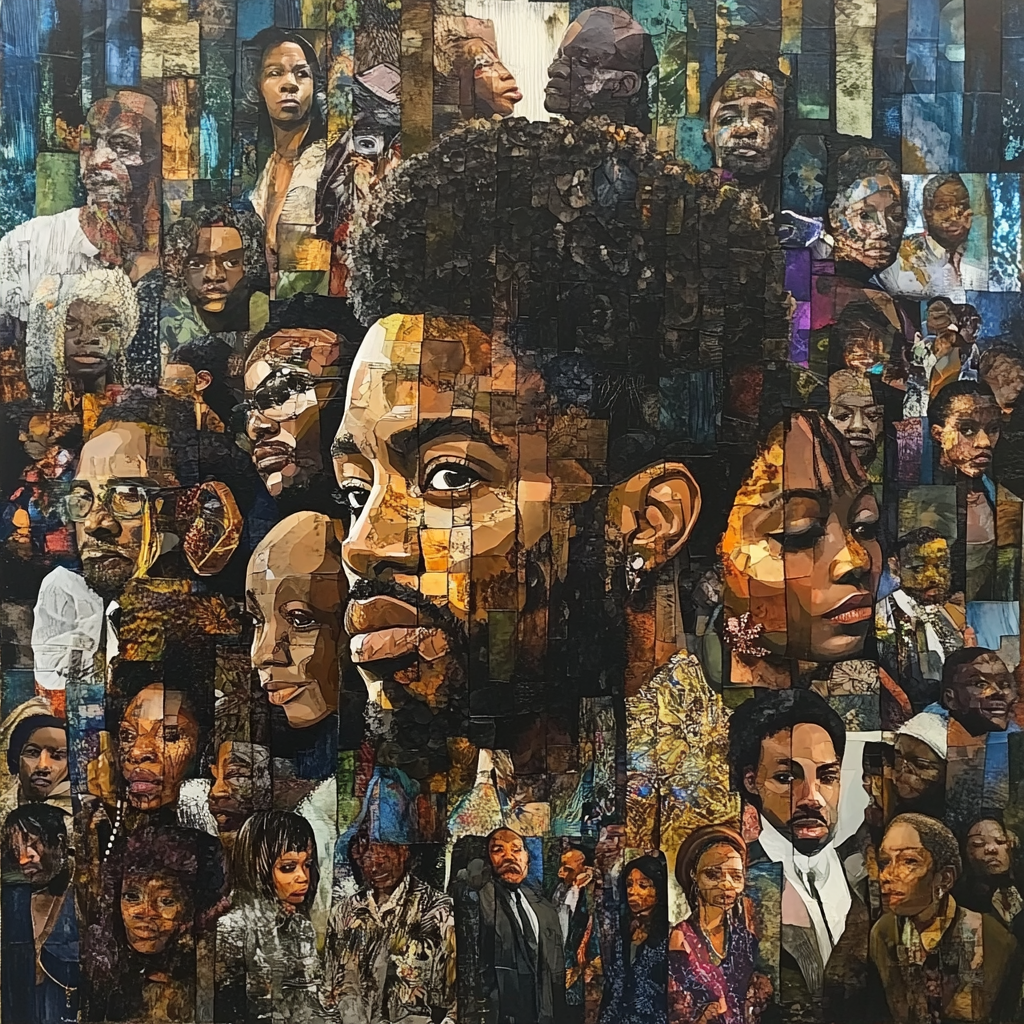
This discrepancy between the legal declaration and the reality on the ground highlights the limitations of political measures that are not consistently enforced. The proclamation also shifted the nature of the Civil War, transforming it from a conflict primarily aimed at preserving the Union into a moral struggle against slavery.
It enabled Black men to join the Union Army, thereby strengthening the struggle for both freedom and national unity. Ultimately, the Emancipation Proclamation laid the groundwork for the 13th Amendment, which would completely abolish slavery in 1865, though it did not end slavery on its own.
The significance of Juneteenth lies in the events of the June 19, 1865, when Union troops arrived in Galveston Bay, Texas, to enforce the emancipation of 250,000 enslaved Africans.
That moment symbolized liberation and sparked celebrations and hope within the African American community. It represents the fulfillment of a promise of freedom that had been delayed far too long.
The end of slavery in 1865 marked a profound turning point in American history, but freedom brought neither immediate equality nor security to formerly enslaved people. The Reconstruction era (1865–1877) was a time of both great opportunities and intense challenges.
Newly freed African Americans sought to reunite families that had been torn apart by slavery, establish independent communities, and build institutions such as schools and churches. Education became a top priority, with many freed people striving to become literate despite enormous obstacles. The Freedmen’s Bureau, a federal agency established in 1865, provided support in the form of food, housing, education, and legal assistance, and played a crucial role in helping formerly enslaved people make the transition to freedom.
However, this progress met with fierce resistance from white Southerners. So-called “Black Codes” were enacted to restrict the rights of African American women and limit their ability to own property, move about freely, or find fair work. Violence and intimidation further undermined these advances. Despite these challenges, African Americans made significant political strides during Reconstruction, as Black men were able to vote and hold public office for the first time.
This period highlighted both the possibilities for a more just society and the deep-rooted resistance to racial equality that would shape the future. Understanding Reconstruction is crucial to grasping why the promise of emancipation remained unfulfilled long after Juneteenth.
After the proclamation of freedom in Texas on June 19, 1865, African American communities began celebrating Juneteenth almost immediately. These early celebrations were deeply rooted in cultural expression, community building, and spiritual reflection. Freed people gathered for prayer services, shared meals, music, and storytelling, transforming the day into both a commemoration of the suffering they had endured and a celebration of their resilience.
One of the most notable aspects of these gatherings was the emphasis on education and self-improvement. Public readings of the Emancipation Proclamation were widespread and served both as a reminder of freedom and as a means of teaching future generations about history. Food played a symbolic role, particularly red foods such as red lemonade, watermelon, and barbecue, which symbolized strength, sacrifice, and the blood shed by enslaved ancestors.
Over time, Juneteenth celebrations evolved to include parades, rodeos, and festivals that reflected the diverse cultural traditions of African American communities. Despite periods of decline during segregation and economic hardship, these traditions endured and were passed down through generations, thereby preserving the significance and importance of the holiday.
Although slavery officially ended in 1865, the following decades saw the rise of the Jim Crow laws, a system of legally enforced racial segregation that entrenched inequality throughout the United States, particularly in the South. These laws mandated the separation of Black and white Americans in public spaces such as schools, public transportation, residential areas, and restaurants.Although slavery officially ended in 1865, the following decades saw the rise of Jim Crow laws, a system of legally enforced racial segregation that entrenched inequality throughout the United States, particularly in the South. These laws mandated the separation of Black and white Americans in public spaces such as schools, public transportation, residential areas, and restaurants.
Beyond segregation, they also suppressed Black people’s political participation through measures such as literacy tests and poll taxes, which effectively barred millions of African Americans from voting. Violence was a central element of this system, with lynchings and mass attacks used to instill fear and maintain racial hierarchies.
The persistence of such oppression highlights the limits of emancipation and the ongoing struggle for true equality. In this context, Juneteenth became not only a celebration of freedom but also a reminder of the work that still needs to be done, underscoring the gap between legal freedom and lived reality.
The struggle for equality continued in the 20th century through the civil rights movement, which aimed to end segregation and discrimination. Beginning in the 1950s and gaining momentum in the 1960s, female activists organized protests, boycotts, and legal battles to demand equal rights.
Key events such as the Montgomery bus boycott and the March on Washington drew national attention to racial injustice. Legislative achievements such as the Civil Rights Act of 1964 and the Voting Rights Act of 1965 represented significant progress.
During this time, Juneteenth experienced a resurgence in recognition as African Americans sought to reconnect more deeply with their history and cultural heritage. The holiday became a symbol of both remembrance and progress, linking past struggles for emancipation with current demands for justice and equality.
For much of its history, Juneteenth was celebrated primarily within African American communities and received only limited national recognition. However, decades of efforts led to a significant milestone in 2021, when Juneteenth was officially recognized as a federal holiday in the United States.
This decision reflected a growing awareness of racial injustice and the importance of African American history. The establishment of Juneteenth as a national holiday marked a formal recognition of the significance of this day and, at the same time, sparked discussions about the difference between symbolic recognition and actual change.
It raised public awareness and encouraged broader participation in the commemorative events.
Juneteenth is of central importance because it reflects the legacy of slavery, a profound injustice that lasted over 250 years. The effects of slavery are still felt today in the form of structural racism, oppressive laws, microaggressions, and institutional bias. At the same time, it draws attention to the erasure and marginalization of African and African American cultures in societal narratives.
By observing Juneteenth, we acknowledge this history and its ongoing impact, while also honoring the resilience, dreams, and aspirations of enslaved Africans. This day serves as a powerful reminder to continue advocating for liberation and equality for all oppressed and marginalized communities.
Although Juneteenth is rooted in American history, its themes of liberation and justice resonate worldwide. Many countries have their own histories of slavery and emancipation, which are often marked by similar struggles for recognition and equality. Caribbean nations, for example, celebrate „Emancipation Day,“ which commemorates the abolition of slavery in the British Empire. In Brazil, the last country in the Western Hemisphere to abolish slavery, the abolition is also recognized as a significant historical milestone.
These global days of remembrance highlight the far-reaching impact of slavery and the solidarity of the African diaspora. By placing Juneteenth within this broader context, its significance can be better understood beyond national borders, as part of a global history of resistance and resilience.
Juneteenth plays a significant role in shaping the cultural identity of African American communities and serves as both a historical reference point and a source of inspiration. The holiday has influenced various forms of artistic expression, including music, literature, visual arts, and film.
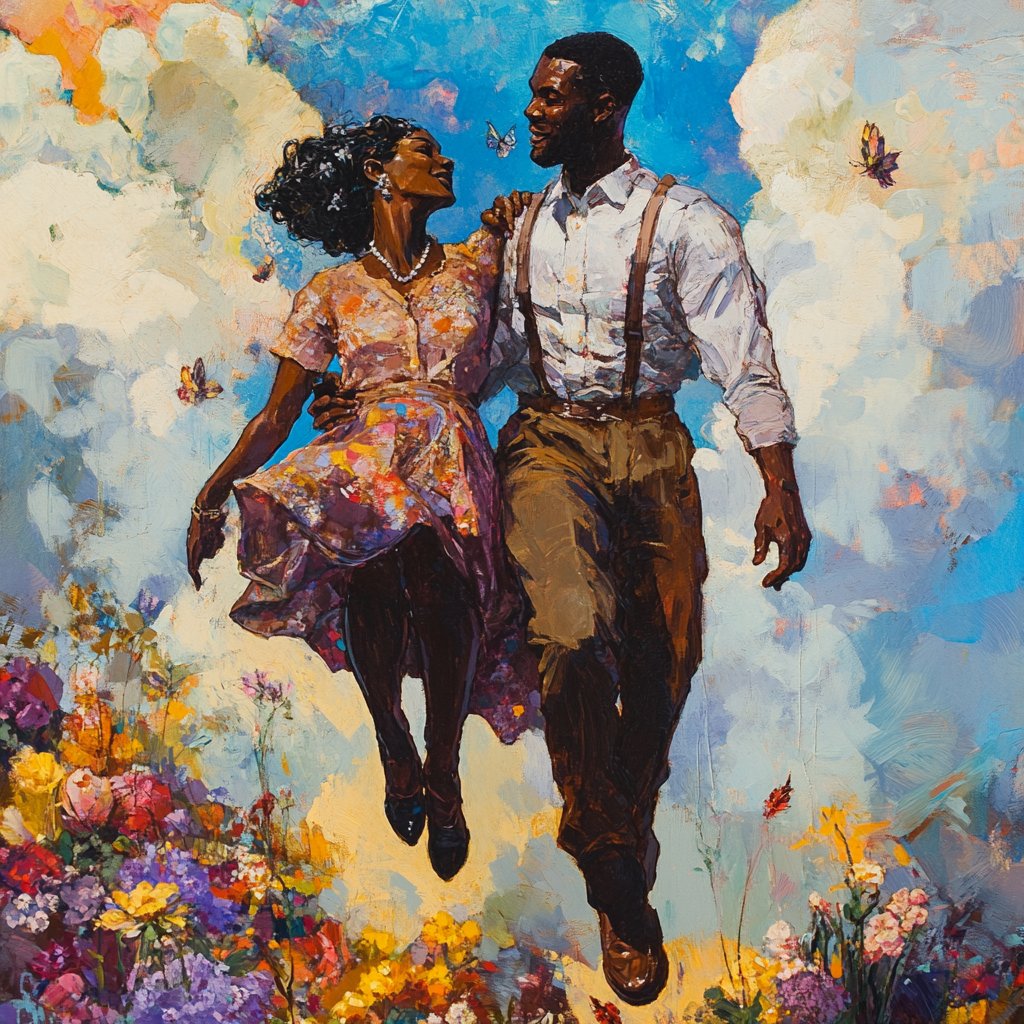
Through these media, artists explore Topics such as freedom, resilience, and memory explore these topics and contribute to a broader understanding of the African American experience. Juneteenth celebrations often include performances, exhibitions, and storytelling events that create spaces for cultural expression and community engagement. The holiday also supports the transfer of knowledge across generations and helps preserve history and cultural traditions, while strengthening a sense of identity and belonging.
In recent years, Juneteenth has also gained recognition beyond the borders of the United States, with celebrations taking place in cities around the world, including Berlin. These international observances reflect the global relevance of the holiday’s themes, particularly with regard to colonialism, racism, and the African diaspora.
In Germany, Juneteenth events often include educational programs, cultural performances, and discussions that connect American history with European contexts. This growing international recognition underscores the importance of global dialogue and solidarity and demonstrates that the legacy of slavery and the struggle for equality are shared across national borders.
Juneteenth is more than just a day of remembrance; it is a call to action. It challenges us to confront past injustices and work toward a more just future. Engaging with history through educational programs, community events, and reflective practices allows us to honor the legacy of those who fought for freedom.
Discover Berlin's forgotten stories: from Juneteenth to colonialism. Book now Our Tour and embark on a journey through resistance and freedom!
https://www.archives.gov/exhibits/featured-documents/emancipation-proclamation
https://www.loc.gov/item/today-in-history/january-01/
https://www.archives.gov/research/african-americans/guide/civil-rights
https://www.pbs.org/wnet/african-americans-many-rivers-to-cross/
https://www.congress.gov/bill/117th-congress/senate-bill/475
https://www.unesco.org/en/no-racism-no-discrimination
https://www.liverpoolmuseums.org.uk/international-slavery-museum
https://www.deutschlandfunk.de/menschen-in-den-usa-erinnern-an-ende-der-sklaverei-100.html