
Africa Day, celebrated annually on May 25, commemorates the founding of the Organization of African Unity (OAU) in 1963, which is now known as the African Union (AU). It serves as a reminder of Africa’s journey toward unity, freedom, and self-determination.
The Pan-Africanism is a political, intellectual, and cultural movement that advocates for the unity and solidarity of people of African descent worldwide. Its origins can be traced back to the late 19th and early 20th centuries, when African and diaspora intellectuals began to challenge colonial rule and racial oppression. Thinkers such as W. E. B. Du Bois argued that people of African descent share a common history and destiny, and famously declared that „the problem of the 20th century is the problem of the color line.“.
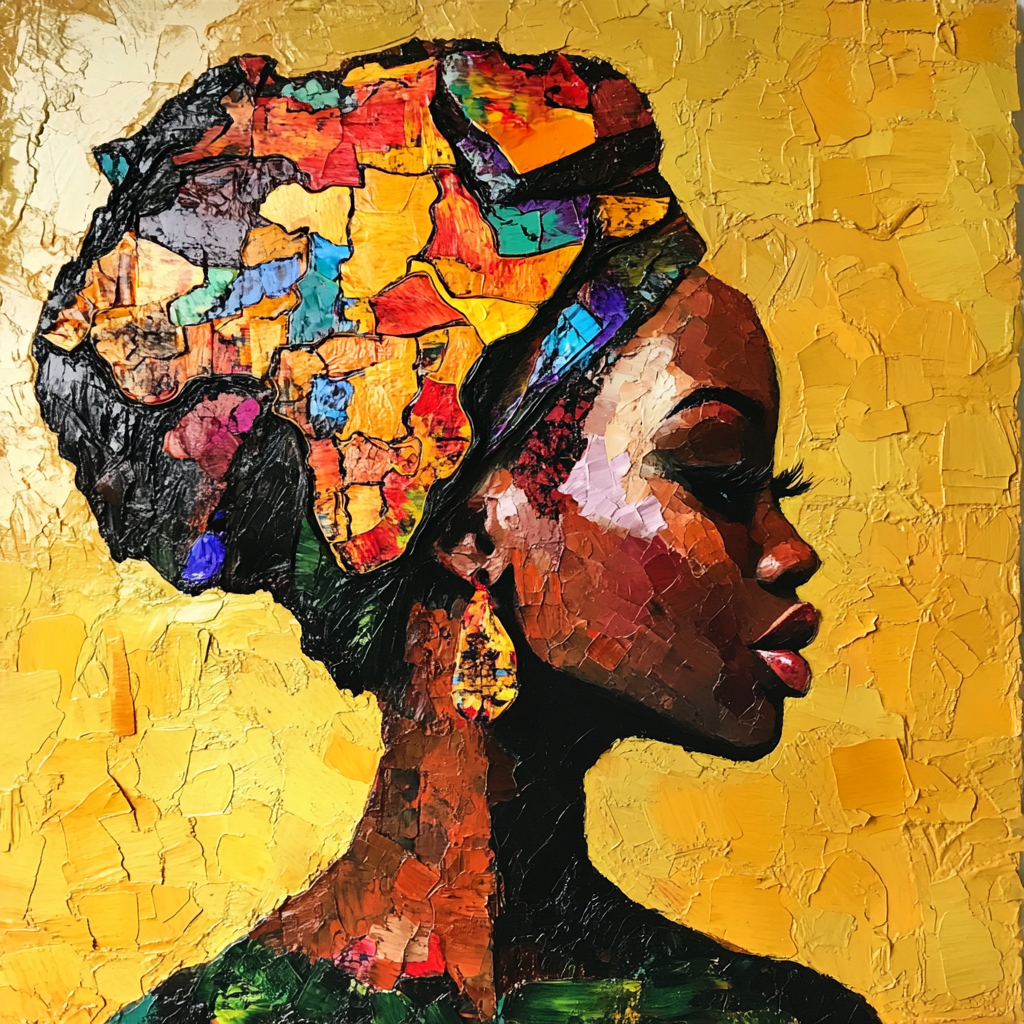
At the same time, leaders such as Marcus Garvey promoted Black pride and economic independence through global movements. Pan-African congresses in cities such as London and Paris brought together activists from Africa, the Caribbean, and the United States, creating a common platform for anti-colonial resistance. These ideas later influenced African leaders such as Kwame Nkrumah, who viewed continental unity as a prerequisite for true independence.
Pan-Africanism was not only political but also cultural in nature, and it emphasized the importance of reclaiming African identity, history, and dignity after centuries of slavery and colonialism. The movement laid the ideological foundation for the emergence of continental institutions and continues to shape discussions today about unity, development, and a global African identity.
The choice of May 25 as Africa Day is deeply rooted in history and symbolism. On this day in 1963, leaders from 32 African nations gathered in Addis Ababa, Ethiopia, to found the OAU. The organization’s goal was to promote unity and solidarity among African nations and to advance the decolonization of the continent. This significant event marked a turning point in Africa’s collective struggle against colonialism and imperialism.
The OAU, founded on May 25, 1963, in Addis Ababa, played a decisive role in shaping postcolonial Africa. It was established by 32 independent African states with the goal of promoting unity, defending sovereignty, and accelerating the liberation of countries still under colonial rule. At a time when large parts of Africa were still fighting for independence, the OAU provided political, diplomatic, and material support to liberation movements in countries such as Angola, Mozambique, and Zimbabwe.
At the same time, it served as a platform for African leaders to discuss global issues together and strengthen their presence on the international stage. Nevertheless, the organization also had its limitations. Its strict policy of non-interference in the internal affairs of member states often prevented it from responding effectively to conflicts, human rights violations, and authoritarian regimes.
Despite these challenges, the OAU played a key role in fostering a sense of continental solidarity and supporting the end of colonial rule across much of Africa. It also helped establish Africa as a unified voice in international diplomacy. Its legacy remains significant, as it laid the foundation for future cooperation and integration.
In 2002, the African Union (AU) was founded as the successor to the OAU, ushering in a new phase in Africa’s quest for unity and development. This transition reflected the recognition that the structures and principles of the OAU were no longer sufficient to address the complex challenges of the 21st century. Unlike its predecessor, the AU adopted a more proactive approach, including the right to intervene in member states in cases of war crimes, genocide, or crimes against humanity.
This shift marked the transition from strict non-interference to the principle of „non-indifference.“ Furthermore, the AU expanded its focus beyond political liberation to include economic integration, peacekeeping, and sustainable development. Initiatives such as the African Continental Free Trade Area aim to create a common market on the continent and promote intra-African trade and economic growth.
The AU also plays an important role in mediating conflicts, deploying peacekeeping missions, and promoting democratic governance. Despite existing challenges, the AU stands for a more ambitious and forward-looking vision of Africa and continues to embody the ideals of unity once articulated by Pan-African thinkers.
This year, Africa Day holds special significance as communities across the continent and beyond honor the struggles and achievements of decolonization. The day also provides an opportunity to promote Pan-Africanism and continental integration. It serves as a reminder of the shared challenges facing African nations, including the legacy of colonialism and slavery, and underscores the importance of collective action in addressing these issues.
The Borders of Modern African States are largely the result of European colonial decisions and do not reflect indigenous social, cultural, or political realities. A pivotal moment in this process was the Berlin Conference, during which European powers divided Africa among themselves without regard for existing ethnic groups or historical territories. This arbitrary division led to the emergence of states with diverse and, in some cases, conflict-ridden communities, with rival groups often brought together within the same political units and others separated across different countries.
The consequences of these artificial borders continue to shape Africa’s political and social landscape to this day. Many post-independence conflicts, as well as tensions related to identity and governance, can be traced back to these colonial border demarcations.
Despite these challenges, most African countries have maintained these borders to avoid further instability. Current efforts toward regional cooperation and integration aim to overcome these dividing lines and reinforce the importance of unity in addressing historical legacies.
Africa is one of the most culturally diverse regions in the world and is home to over 1.4 billion people and thousands of ethnic groups. This diversity is reflected in the continent’s languages, traditions, religions, and forms of artistic expression. With over 2,000 spoken languages, Africa represents an extraordinary range of cultural identities and worldviews.
Cultural practices vary greatly from region to region—ranging from rural traditions rooted in centuries-old customs to dynamic urban cultures that help shape global trends. Music, dance, storytelling, and the visual arts play a central role in many societies, preserving history and conveying identity across generations. Despite this diversity, shared values such as a sense of community, respect, and resilience create a unifying foundation.
Africa Day illustrates that unity does not mean uniformity, but can be built on mutual respect and understanding by celebrating both differences and commonalities.
This day is a celebration of the resilience, equality, and perseverance of African nations and their people. For over 500 years, Africans have fought tirelessly for freedom, dignity, and self-determination. This day invites us to honor these efforts and to learn from the achievements of African citizens and leaders, both past and present.
In recent decades, Africa has emerged as a region of significant economic growth and innovation. Countries such as Nigeria, Kenya, and South Africa have become hubs for entrepreneurship, technology, and creative industries. Cities such as Nairobi are among the leading centers of innovation, particularly in the areas of mobile banking and digital services. These developments have expanded access to financial systems and opened up new opportunities for millions of people.
At the same time, industries such as film, music, and fashion are gaining recognition worldwide and contributing to both economic growth and cultural influence. Despite existing challenges such as inequality and infrastructure deficits, the continent’s rapid urbanization and young population continue to drive innovation and change.
The African diaspora refers to the worldwide community of people of African descent who live outside the continent. Spanning the Americas, Europe, and the Caribbean, the diaspora has had a significant impact on global culture, politics, and history. African traditions have influenced music, cuisine, religion, and language worldwide and fostered a rich cultural exchange that continues to this day.

Influential figures such as Malcolm X and Angela Davis emphasized the importance of global solidarity among people of African descent. Today, diaspora communities maintain close ties to Africa through cultural exchange, investment, and political engagement. Africa Day is celebrated in these communities worldwide and offers an opportunity to reconnect with one’s roots and strengthen global unity.
Women played a crucial, though often underestimated, role in Africa’s liberation movements and political development. Leaders such as Wangari Maathai and Ellen Johnson Sirleaf exemplify the influence of female leadership on the continent. During the struggles for independence, women played a key role as organizers, activists, and community leaders, and made a significant contribution to the resistance.
Even today, women continue to shape politics, the economy, and civil society, despite ongoing challenges in the area of gender equality. Their contributions are crucial to sustainable development and inclusive governance. Africa Day offers an opportunity to recognize and celebrate women’s achievements and to advocate for greater equality and representation.
Africa is playing an increasingly important role in global politics, with its member states forming a significant bloc in international organizations such as the United Nations. The African Union helps coordinate common positions and strengthen Africa’s voice on global issues such as climate change, security, and development. African countries also actively participate in international peacekeeping missions and are key players in new global partnerships.
As international interest in Africa grows, this presents both opportunities and challenges in shaping international relations, while at the same time it is essential to preserve sovereignty and promote sustainable growth. Africa Day underscores the importance of unity in strengthening Africa’s influence and effectively representing its interests on the world stage.
Our decolonial city tours in Berlin offer an innovative way to celebrate Africa Day. These tours provide insights into the achievements of African leaders and communities and highlight their lasting impact and legacy. Join us to discover these stories and celebrate the spirit of Africa.
Let's celebrate Africa Day by showing solidarity with African nations and recognizing their contributions to the global struggle for justice and equality.
https://www.bbc.co.uk/worldservice/africa/features/storyofafrica/index_section14.shtml
https://www.britannica.com/topic/Pan-Africanism
https://www.bbc.com/news/world-africa-36303327
https://www.britannica.com/topic/African-Union
https://www.cfr.org/backgrounders/african-union
https://www.britannica.com/event/Berlin-West-Africa-Conference
https://www.unesco.org/en/africa/culture
https://www.britannica.com/place/Africa
https://www.worldbank.org/ext/en/region/afr
https://unctad.org/topic/africa
https://au.int/en/diaspora-division
https://www.unwomen.org/en/where-we-are/africa
https://www.britannica.com/biography/Wangari-Maathai
https://www.britannica.com/biography/Ellen-Johnson-Sirleaf
https://www.un.org/en/global-issues/africa
https://au.int/en/partnerships