
Throughout history, Black communities have demonstrated remarkable resilience in the face of unimaginable suffering and systemic oppression. A shining example of this resilience is Black Joy, which is powerfully expressed through music and dance. From the colonial era to the present day, these art forms have been not only sources of comfort but also tools of resistance, hope, and cultural celebration.
Long before the horror of the transatlantic slave trade: millions Although many Africans were uprooted from their homelands, the continent was home to incredibly rich and diverse musical traditions that were deeply rooted in daily life, spirituality, storytelling, and community bonds. In regions such as West Africa, Central Africa, and parts of the Sahel, collective musical expression through rhythm, dance, and song was far more than mere entertainment; it was an essential element of cultural identity and social interaction.
Instruments such as drums, bells, stringed instruments, and percussion instruments were central to rituals, celebrations, seasonal festivals, and initiation rites, and music was often inextricably linked to movement and communal storytelling. The structures that characterize much African music—such as call-and-response patterns, cyclical rhythms, polyrhythms, and participatory dance—were carried across the Atlantic in the bodies and memories of enslaved people. Even in the face of deliberate efforts to suppress culture, these fundamental elements survived and reemerged in the Americas, laying the foundation for the musical and dance traditions of the African diaspora centuries later.
In regions such as the Caribbean, South America, and what would later become the United States, adaptations of West African drumming and dance elements evolved into new forms of expression that demonstrated how these ancestral practices continued to shape community identity and resilience abroad. These ancestral rhythms and performance traditions not only created new music; they also helped enslaved and diasporic communities preserve a sense of humanity and continuity with the past, even as they endured unimaginable suffering.
During the colonial era, enslaved Africans found deep comfort in spirituals such as „Wade in the Water“ and „Swing Low, Sweet Chariot.“ These songs were not merely melodies, but lifelines—expressions of hope, determination, and the pursuit of joy in the face of unspeakable adversity. They symbolized defiance in the face of oppression and reminded enslaved people that liberation was not only possible but inevitable. Music and dance became acts of silent resistance, uniting communities and preserving cultural heritage even under the harshest conditions. They transformed suffering into moments of connection, celebration, and resistance.
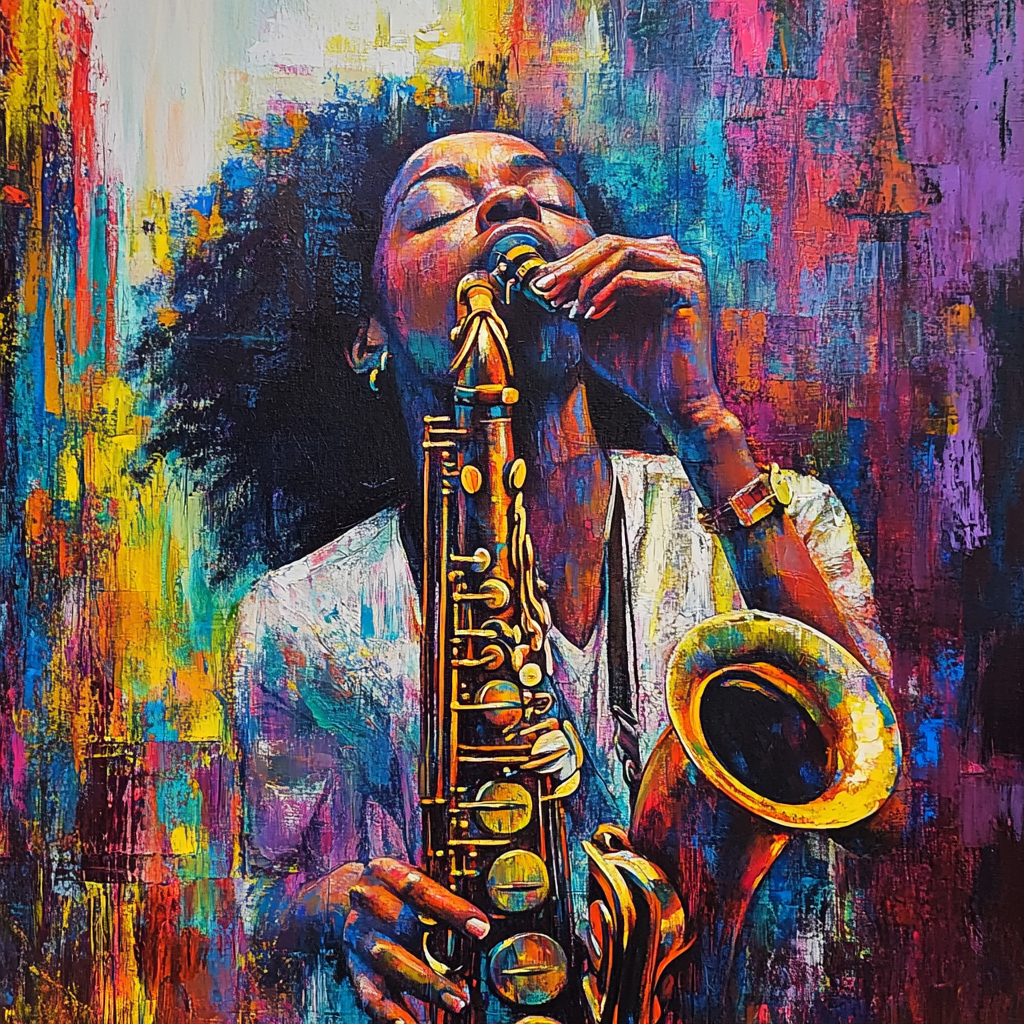
The African American musical traditions that developed in North America are rooted in a powerful blend of African cultural memory, forced adaptation, and creative resilience. When enslaved Africans arrived in the Americas, they were often forbidden from practicing their native languages, religious rituals, and musical instruments. Despite this repression, they preserved key musical elements—particularly call-and-response singing, rhythmic complexity, and collective participation—and began to express them within the new social and cultural context of the Americas.
One of the most enduring forms of expression from this period is the African American spiritual, a genre that emerged among enslaved communities as a fusion of African musical sensibilities with the Christian themes brought by European missionaries. These songs were sung in the fields, at church services, and in informal community settings. They were often characterized by emotional intensity, improvisation, and a strong sense of collective participation. Spirituals served several purposes: they offered comfort, articulated religious faith, and occasionally contained coded messages about freedom, escape, and solidarity in the face of oppression.
As historical accounts and cultural organizations note, spirituals were not static. They evolved into what became gospel music in the early 20th century, retaining the call-and-response tradition while incorporating instruments, harmonic structures, and performance styles that reflected the changing dynamics of the community. Gospel music gave rise to expressive voices whose recordings demonstrate the central role this genre plays in African American religious and cultural life.
The influence of spirituals and gospel laid the foundation for blues, jazz, R&B, soul, and even modern hip-hop, as their emotional depth, rhythmic expressiveness, and collective roots have repeatedly become part of the musical DNA of African American culture. Artists across generations drew upon these traditions—bringing their spirit of improvisation and communal resonance into secular contexts and transforming them into new, joyful, and socially powerful musical forms.
Dance and rhythm are inextricably linked to many African cultures, in which movement is not merely entertainment but a primary means of communication, emotional expression, spirituality, and social unity. In West, Central, and Southern Africa, communities traditionally used dance to mark life transitions: births, weddings, funerals, initiations, harvest festivals, and spiritual ceremonies. These dances were often polyrhythmic and participatory, allowing even children and elders to contribute rhythms through clapping, singing, footwork, and instruments such as drums and rattles.
When Africans were captured and enslaved in the Americas, their familiar cultural practices were brutally disrupted by conditions on the plantations. In many places, drumming was banned by slave owners, who feared the power of rhythmic communication. Despite this repression, enslaved people found ways to preserve parts of their dance traditions; sometimes they blended them with Christian worship through the “Ring Shout,” a circular movement of feet, voices, and shouts in a communal ritual.
This embodied practice enabled participants to express joy, resistance, and spiritual transcendence in spaces that were otherwise hostile to their cultural lives. In the diaspora, these dances evolved into new forms. In the Caribbean and Latin America, African dance merged with European and Indigenous elements to form vibrant traditions such as Afro-Cuban rumba, Haitian Rara, and Brazilian Samba de Roda—all of which are rooted in collective movement, rhythm, and resilience. These dances became central to identity, celebrations, and, at times, resistance against colonial and postcolonial structures.
Even in the United States, African-derived dance rhythms influenced social dances such as the Charleston and the jitterbug, as well as modern styles such as tap and jazz dance, in which rhythmic footwork serves as both a form of artistic expression and a communal language. In all contexts, dance traditions serve as living archives of memory and resilience; they transform pain into agency and joy, strengthen community bonds, and preserve the presence of ancestors through embodied movement.
In the late 19th and early 20th centuries, African rhythms fused with European musical influences to create jazz. Originating in New Orleans, this genre became an extraordinary testament to the enduring nature of Black Joy.
Pioneers such as Louis Armstrong, Duke Ellington, and Jelly Roll Morton took jazz beyond the United States and shaped the global music scene. For Black communities still grappling with the aftermath of slavery, jazz symbolized resilience. It showed the world that joy and celebration could flourish despite systemic oppression.
Music in the African diaspora was not only a source of joy and cultural continuity, It was also a powerful tool of resistance and survival. From the earliest spirituals, sung under the burden of slavery, to the secular blues that emerged after emancipation, musical expression helped individuals and communities articulate pain, hope, defiance, and collective identity.
During the era of slavery, spirituals served as coded messages, emotional outlets, and expressions of a shared longing for freedom. Songs such as „Steal Away“ and „Follow the Drinking Gourd“ contained allegorical references to escape, routes to the North, and the promise of liberation. After the Civil War, spirituals continued to influence emerging genres that reflected the battered but unbroken spirit of African Americans.
The blues emerged among free Black communities in the late 19th century as a secular musical form that conveyed complex emotions: grief, humor, resilience, and the harsh reality of life under segregation and systemic violence. Blues artists transformed personal struggles into shared, cathartic stories and gave voice to collective experiences. The structure of the blues—often featuring call-and-response elements, expressive bending of notes, and narrative lyrics—emerged directly from spiritual traditions while simultaneously carving out its own distinct territory.
Later, in the 20th century, these musical forms found their way into jazz, rhythm and Blues, soul, and even hip-hop, as African Americans continued to use music as a means of social commentary and resistance against injustice and inequality. Music remained a central point of reference during the civil rights movement, with freedom songs based on spirituals providing soundtracks for marches, sit-ins, and protests, and demonstrating how joy, pain, and hope were interwoven in the pursuit of liberation and dignity.
During the civil rights movement of the 20th century, music and dance played a crucial role in promoting Black Joy and mobilizing social change. Rhythm and Blues (R&B), with pioneers such as Ray Charles and Aretha Franklin, conveyed the struggles, hopes, and pride of African American communities.

Motown, led by Berry Gordy, brought Black Joy into the American mainstream and broke down racial barriers, reshaping the music industry in the process. Hits by The Supremes, Stevie Wonder, and Marvin Gaye reminded the world of the transformative power of Black creativity and joy.
Salsa emerged in the 1960s and 1970s as a genre rooted in African, Caribbean, and Latin American traditions. Originating in New York City, salsa empowered Latinx communities by using music and dance to combat discrimination and celebrate cultural identity.
Icons like Celia Cruz and Tito Puente crossed borders and spread the infectious energy of salsa around the world. This vibrant genre shows how joy can unite and empower marginalized communities.
Today, Black Joy continues to thrive and shape global pop culture through contemporary music and dance. Hip-hop, born in the Bronx, has become a global movement that addresses social issues and conveys joy through rhythmic expression. Artists such as Tupac Shakur, Lauryn Hill, and Kendrick Lamar have used the genre to inspire empowerment and resilience.
African dance styles such as Afrobeat and Kizomba demonstrate the ongoing evolution of Black cultural expressions. These art forms honor African heritage while celebrating its dynamic influence on the world.
The history of Black music and dance lives on not only in academic texts, It thrives through personal stories, communal celebrations, and everyday moments of resilience and joy. Across generations and continents, people have shared how music and movement have transformed their experiences, built communities, and preserved cultural heritage.
Oral traditions from families whose ancestors brought West African rhythms to plantation fields, ring shouts, and later gospel choirs, often emphasize how singing while working helped enslaved people get through hard days, while communal dance gatherings offered rare moments of relief, laughter, and collective strength. During the Great Migration in the early 20th century, millions of African Americans moved from the rural South to urban centers in the North, bringing musical traditions with them that took on new forms in cities such as Chicago, Detroit, and New York.
Blues, jazz, and later rhythm and blues became the soundtracks for communities building new lives in crowded neighborhoods. Street corners, clubs, and house parties became spaces where music was shared, stories were told, and identities were formed, strengthening a sense of belonging and mutual support. In many Black neighborhoods, music and dance remain central to community life to this day—whether in local gospel choirs, social dance classes, street festivals, or youth programs that teach traditional drumming or contemporary styles such as hip-hop and Afrobeat.
These practices bridge generations, connecting the older generation’s memories of past struggles with young people’s expressions of identity, joy, and creativity. These personal and communal stories show that music and dance, beyond their historical functions, are lived experiences—ways in which people celebrate life, cope with hardships, and affirm their humanity.
Whether passed down through family gatherings, neighborhood stages, or public performances, these traditions carry on the legacy of Black joy and resilience in a deeply human and transformative way.
Let's be clear: Black Joy doesn't mean ignoring pain or pretending that everything is okay. It's about reclaiming humanity, culture, and hope in the face of oppression. It serves as a reminder that even in the darkest times, joy, strength, and unity can flourish.
On our Decolonial City Tours, we honor these stories during our tours of the African Quarter, the Humboldt Forum, and Schöneberg. Black Joy is a beacon of resilience and inspiration, and its legacy continues to teach us the power of community and culture.
Black Joy is more than a historical phenomenon; it is a reality in the present and the future, reminding us to value and amplify the voices of those who inspire hope, connection, and change. Let us learn from it, carry it forward, and honor its profound message of resilience.
https://www.afriklens.com/african-contributions-to-world-music-dance-and-culture/
https://press.rebus.community/globalmusix/chapter/music-of-west-africa/
https://www.britannica.com/art/spiritual
https://journal.hkw.de/en/congo-square-und-die-afroamerikanische-musikkultur/
https://www.aaihs.org/the-historical-roots-of-blues-music/
https://www.carnegiehall.org/Explore/Articles/2022/01/11/Timeline-of-African-American-Music